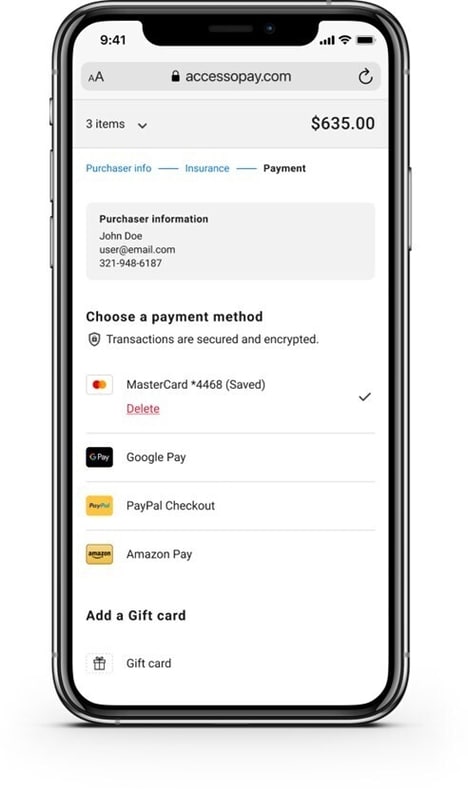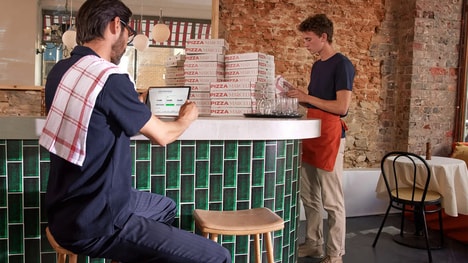

Checkout-based micro-donations are reshaping how consumers engage with charitable giving by embedding contributions directly into everyday retail transactions. Through its partnership with adidas, Adyen enables shoppers to donate to organizations like UNHCR and Special Olympics seamlessly at checkout, both in-store and online. This approach removes traditional barriers to giving by allowing small, spontaneous contributions without requiring separate commitments or processes.
For businesses, this reflects a shift toward purpose-driven commerce that integrates social impact into the customer journey. Retailers can strengthen brand loyalty and emotional connection by offering accessible ways for consumers to contribute to meaningful causes. It also creates opportunities to increase overall donation volumes through low-friction interactions. As consumer demand for flexible and transparent giving grows, companies that incorporate embedded donation features may differentiate themselves while aligning business performance with broader social impact goals.
Image Credit: Ayden
What Makes This Trend Stand Out
- Embedded Checkout Donations
- Seamless donation prompts during purchase present opportunities to transform one-time shoppers into recurring contributors by capturing spontaneous giving at scale.
- Purpose-driven Commerce
- Consumers increasingly expect purchases to reflect values, creating room for commerce models that integrate social impact metrics into brand differentiation and customer retention.
- Micro-donation Incentivization
- Small, frictionless contributions tied to incentives or loyalty programs can unlock new revenue streams and engagement pathways by bundling charitable giving with transactional benefits.
Sectors Adopting This
- Retail
- Point-of-sale donation integrations have the potential to redefine customer experience by embedding social impact into everyday transactions and influencing purchasing behavior.
- Payments and Fintech
- Payment processors and gateways stand to reshape value propositions by offering native micro-donation rails and reporting, enabling transparent fund flows and new service monetization.
- Nonprofit Fundraising
- Charitable organizations can leverage checkout partnerships to access diversified, small-dollar donor bases and harness transaction-linked giving for more predictable revenue.