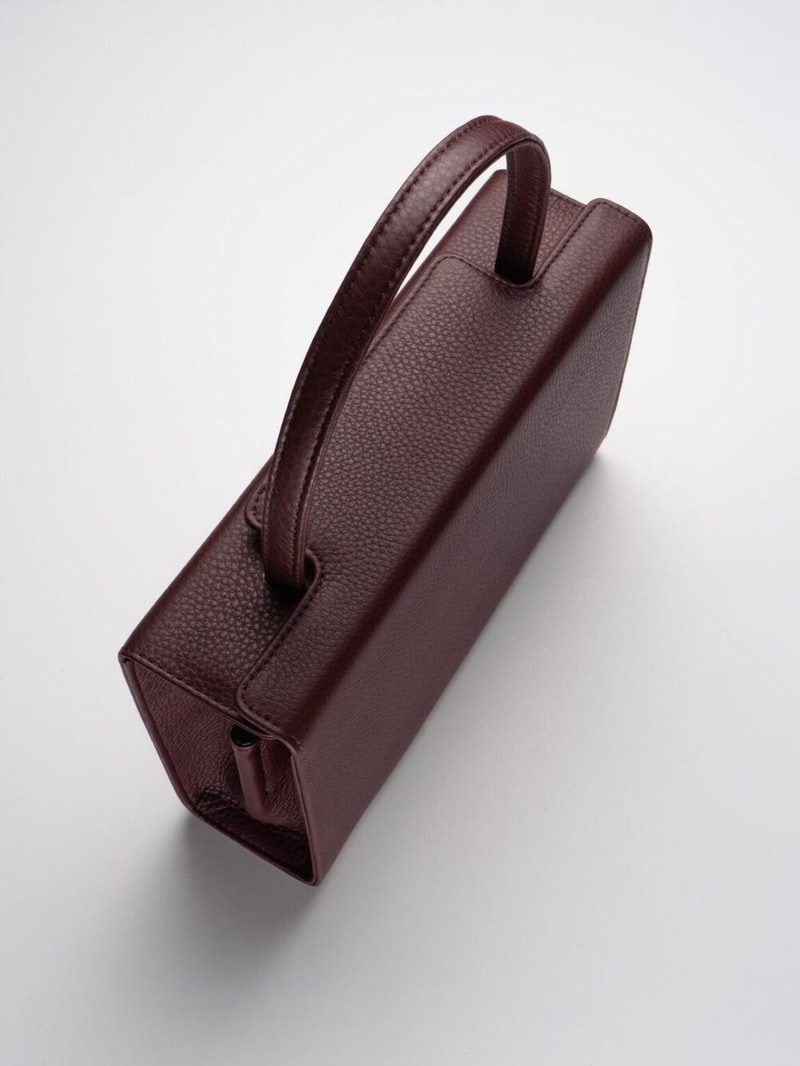
931 Bag is a leather handbag originally designed in 1963 by Dieter Rams as a personal piece. The design remained a one-off for decades before entering production, maintaining its compact rectangular form and reduced construction. 931 Bag reflects Rams’ industrial design approach through clean lines, balanced proportions, and minimal detailing. The latest release introduces a new colorway while preserving the original silhouette and layout.
The 931 bag is produced by TSATSAS and uses full-grain calfskin leather and includes a compartmentalized interior with a zip pocket and detachable shoulder strap. Manufacturing takes place in Germany with a focus on precision and durability. The updated version extends an archival design into a contemporary product format while retaining its original structure and functional use.
Image Credit: TSATSAS
Key Themes Behind This Trend
- Heritage-design Revival
- Revival of archival pieces presents opportunities to reintroduce historical designs into modern markets through curated authenticity and provenance-driven value propositions.
- Minimalist Industrial Aesthetic
- Sustained interest in pared-back, functional forms creates scope for reimagining product portfolios around longevity and timeless silhouettes that prioritize utility over seasonal fashion.
- Archival Colorway Editions
- Limited-run reinterpretations of classic color palettes enable differentiated product tiers that leverage scarcity and storytelling to command premium positioning.
Where This Applies
- Luxury Leather Goods
- High-end leather manufacturing can be disrupted by integrating archival craftsmanship with modern material innovations to extend product life cycles and resale value.
- Precision Manufacturing
- Small-batch, quality-focused production models introduce possibilities for localized, scalable manufacturing that preserves artisanal standards while reducing lead times.
- Fashion Retail and E-commerce
- Digital platforms focused on curated heritage collections can transform customer discovery and lifetime engagement through rich provenance content and exclusive drops.