Based on what people have experienced since the dawn of written language, lettering is aesthetically considered to be a two-dimensional medium. Now, here comes 3D-printed typography by Hongtao Zhou that literally extrudes character markings into another scope of space.
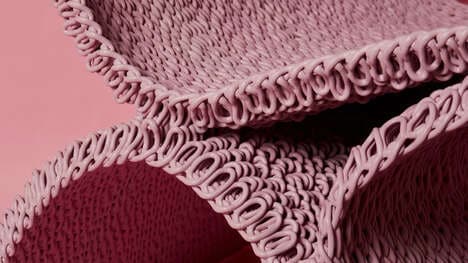
Using a 3D printer, this designer has translated a flat typed document into one with obvious texture. Each letter forming each word is extended away from its new-tech slate, keeping the familiar alphabetic shapes discernible when viewed straight-on. The cool look of it aside, Textscapes 3D-printed typography embodies particular beauty because of the implications for a wider base of readers. Those with visual impairments will be able to appreciate the tactility of these engaging raised fonts.
Key Themes Behind This Trend
- Tactile Text
- Designers are experimenting with 3D printing technology to create text that is more than just visually appealing, but also provides a tactile reading experience for those with visual impairments.
- Accessible Design
- 3D printing of typography can provide new ways to make traditional design accessible to a wider base of readers, particularly those with visual impairments.
- Multi-dimensional Art
- Artists and designers are exploring the creative potential of 3D printing technology to produce multi-dimensional typography that goes beyond the traditional flat surface.
Where This Applies
- Printing Industry
- The printing industry can utilize 3D printing technology to expand their services and offer customized products, such as 3D-printed typography.
- Graphic Design Industry
- Graphic designers can incorporate 3D-printed typography into their work to create more dynamic visual compositions and provide tactile experiences for readers.
- Assistive Technology Industry
- The use of 3D printing technology to create tactile typography can benefit the assistive technology industry by providing new ways to make information more accessible to those with visual impairments.