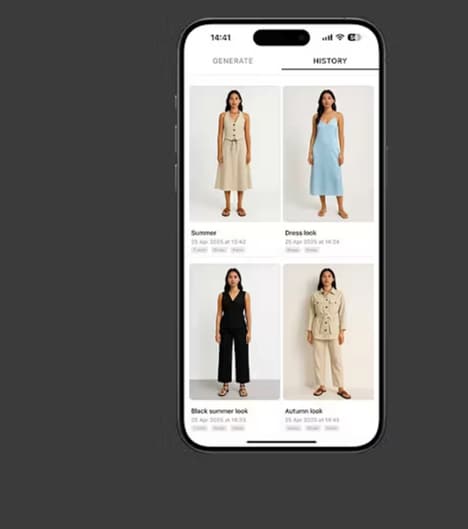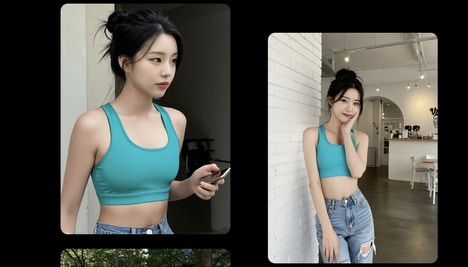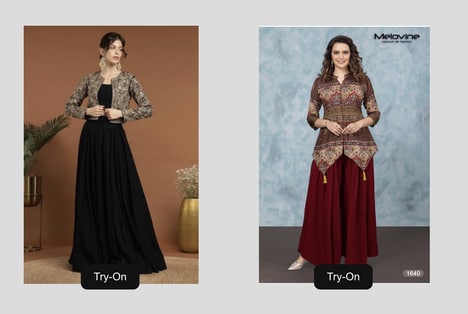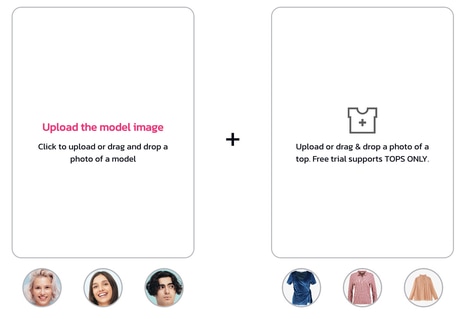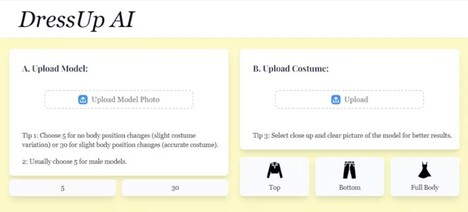
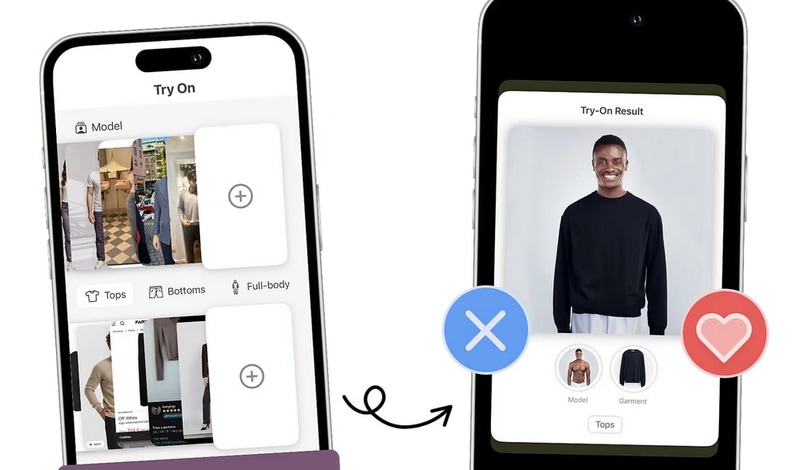
Wear AI operates within the fashion technology and virtual styling space, focusing on enabling users to digitally try on clothing through artificial intelligence. Users upload an image of themselves along with a garment they want to preview, and the system generates a realistic visualisation of how the outfit would appear when worn.
This creates a virtual fitting experience that supports outfit discovery, styling decisions, and wardrobe exploration without physical trial. It also allows users to experiment with different looks and combinations, helping them visualise clothing choices before purchasing or committing to a style. The platform extends into digital wardrobe management, where users can store and organise outfit ideas online. By merging personal imagery with garment simulation, Wear AI transforms fashion exploration into an interactive visual process that bridges online shopping, styling experimentation, and personalised outfit planning within a single AI-driven environment.
Image Credit: Wear AI
What Makes This Trend Stand Out
- AI-powered Virtual Try-ons
- By generating photorealistic previews of garments on user-provided images, platforms enable a new commerce layer that reduces returns and reshapes size and fit expectations.
- Personalized Digital Wardrobes
- The convergence of outfit storage and AI-driven styling creates persistent, data-rich profiles that inform tailored recommendations and long-term customer engagement models.
- Realistic Garment Simulation
- Advanced fabric and lighting synthesis produces credible visualizations that can substitute physical samples and influence manufacturing, merchandising, and virtual-only collections.
Sectors Adopting This
- E-commerce Retail
- High-fidelity try-ons alter the online purchasing funnel by shifting confidence and return economics, enabling new pricing and inventory strategies across digital storefronts.
- Fashion Design and Manufacturing
- Virtual prototyping and simulated fits reduce reliance on physical samples and support demand-driven production cycles and on-demand customization.
- Augmented Reality Advertising
- Integrating personal try-on experiences with ad delivery offers immersive engagement formats that blend promotion with experiential product evaluation.