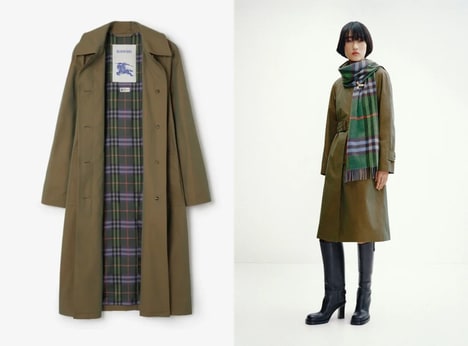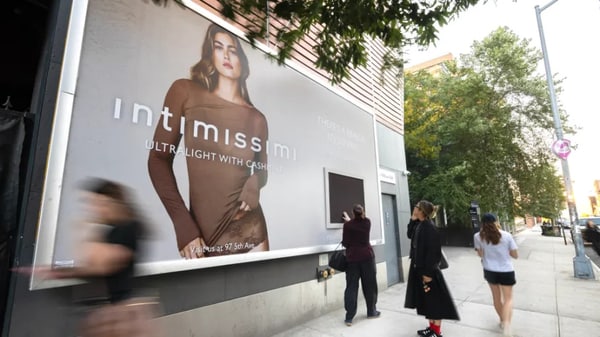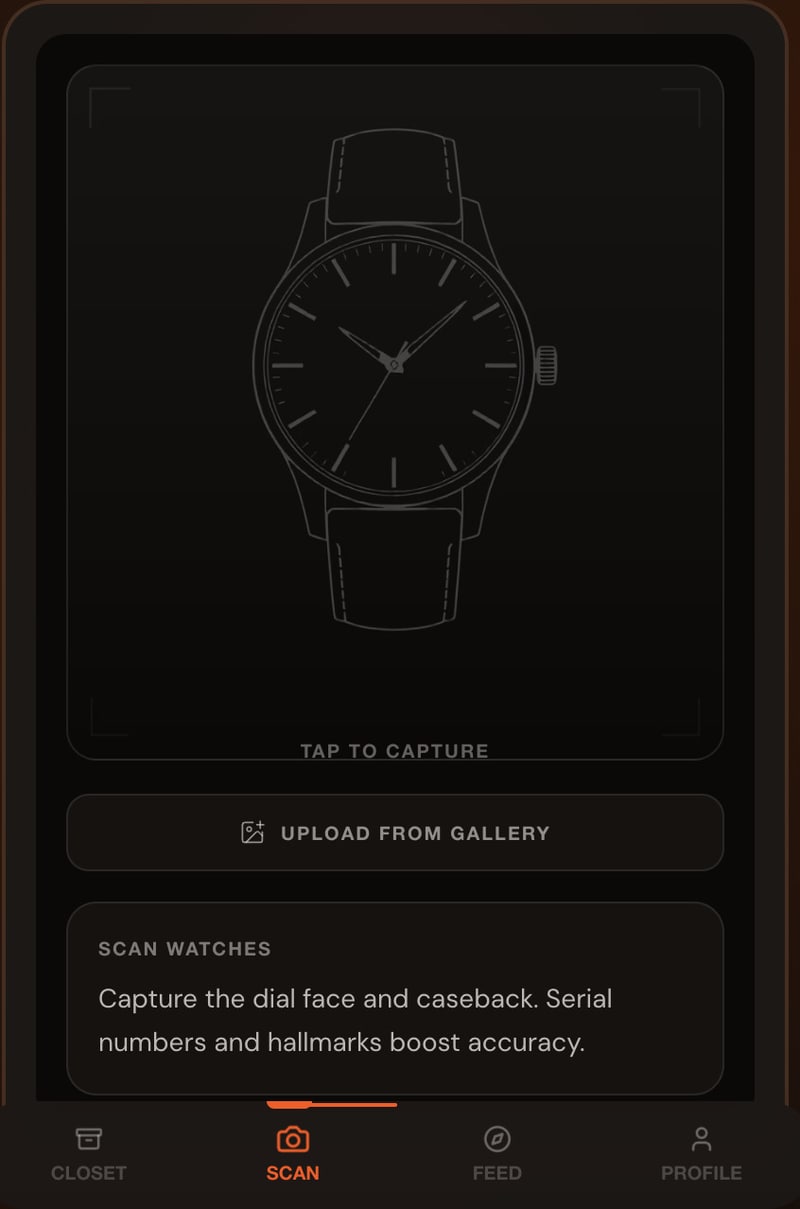
The Worn app is an AI-powered fashion tool developed by M*Star Studios that allows users to identify clothing items through a camera-based interface. The app processes visual input to recognize garments and return contextual information tied to each piece. It is designed as a recognition system that translates physical clothing into searchable digital entries. The platform emphasizes storytelling by surfacing background details such as brand context, design references, and cultural associations linked to each scanned item.
The system combines image recognition with a structured database that connects garments to tagged metadata and descriptive records. A built-in wardrobe feature allows users to save scanned items into a personal archive, forming a visual catalog of clothing. The interface centers on a live camera feed paired with a results display that organizes information into accessible layers. The app is built using Lovable’s development framework and is currently presented as a functional prototype with ongoing dataset expansion.
Image Credit: M*Star Studios
Why This Trend Is Growing
- AI-powered Garment Recognition
- Computer-vision systems that translate clothing images into structured product records enable automated cataloging and provenance tracking that can upend traditional inventory and authentication workflows.
- Narrative-driven Fashion Metadata
- Linking garments to contextual stories, brand lineage, and cultural references creates rich metadata layers that could redefine how value and desirability are communicated in secondary markets.
- Personal Visual Wardrobes
- User-curated, image-based wardrobe archives form granular lifestyle datasets that present new models for personalized styling, targeted commerce, and long-term ownership analytics.
Industries Being Reshaped
- Retail and Resale
- Enhanced item recognition and provenance data can disrupt pricing, authentication, and discovery processes across brick-and-mortar stores and peer-to-peer resale platforms.
- Fashion Design and Licensing
- Automated detection of design references and brand influences introduces opportunities for rights management, licensing verification, and design analytics throughout the creative pipeline.
- Digital Identity and Authentication
- Garment-level identification tied to verifiable metadata can serve as a novel layer of physical-digital identity, affecting authentication services, anti-counterfeiting solutions, and ownership records.