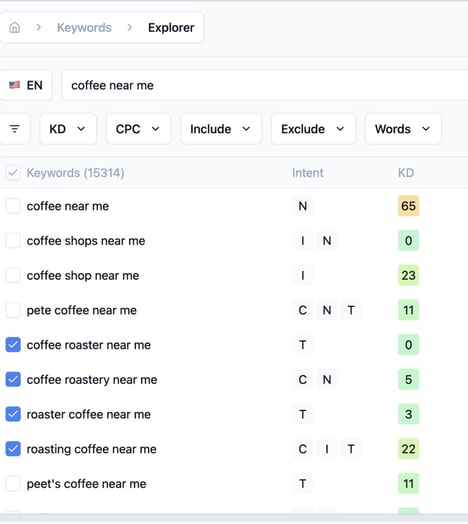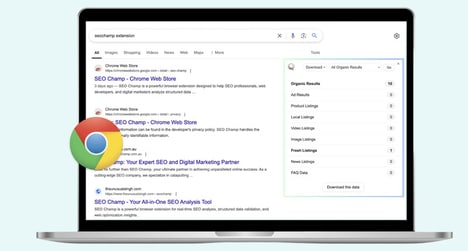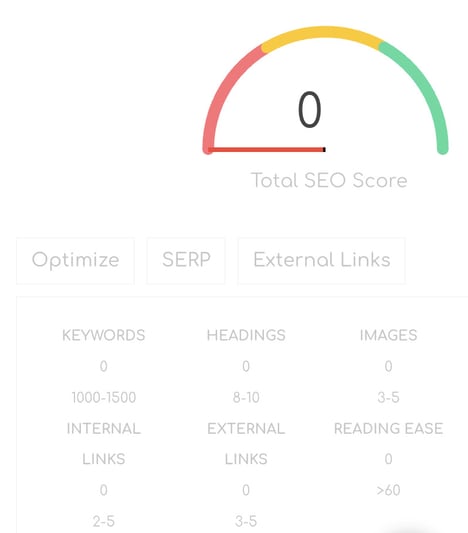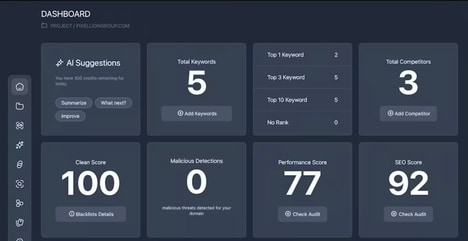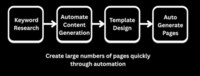

SEOptic is an SEO optimization platform designed to help businesses improve search visibility through data-driven analysis and automation. The tool combines keyword tracking, on-page audits, and real-time SERP monitoring to surface actionable insights across a website’s SEO performance.
By using AI to interpret ranking changes, content gaps, and technical issues, SEOptic aims to reduce the manual effort typically required for ongoing optimization. This makes it relevant for teams managing multiple pages or competing in crowded search landscapes. From a business perspective, the platform reflects a shift toward continuous SEO monitoring rather than one-time audits, enabling faster iteration and more informed prioritization. SEOptic supports decision-making by translating complex search data into clearer recommendations, helping organizations align content, structure, and performance goals with evolving search engine algorithms.
Image Credit: SEOptic
What's Driving This Trend
- Continuous SEO Monitoring
- Real-time tracking of rankings and site health is shifting SEO from periodic audits to perpetual performance pipelines that enable constant adaptation to algorithm changes.
- AI-powered Ranking Interpretation
- Machine learning models are increasingly translating ranking fluctuations into nuanced diagnostic insights that reduce reliance on manual analysis and reveal subtle causal relationships.
- Automated Content Gap Analysis
- Systems that automatically map competitor coverage and topical voids are accelerating content strategy refinement by exposing opportunities at scale across large site inventories.
Who This Affects Most
- Digital Marketing Agencies
- Agencies managing multi-client portfolios stand to reconfigure service offerings around continuous performance reporting and outcome-based SEO deliverables driven by automated insights.
- E-commerce Platforms
- High-volume retail sites could leverage integrated monitoring and automated recommendations to preserve organic visibility across thousands of product pages amid frequent catalog changes.
- Enterprise Saas Product Teams
- Product organizations responsible for large documentation sets and knowledge bases may use centralized SEO intelligence to align product content with user intent and search behavior at enterprise scale.