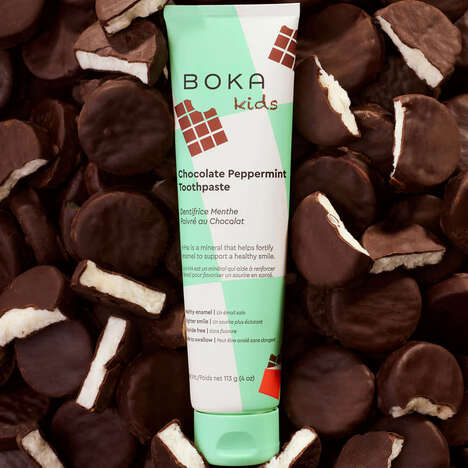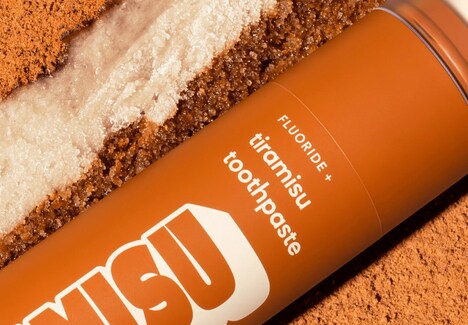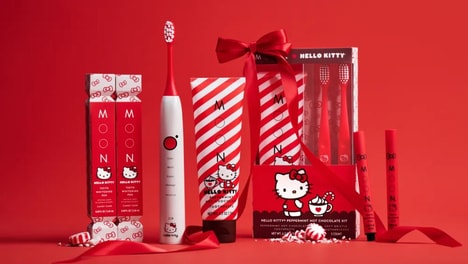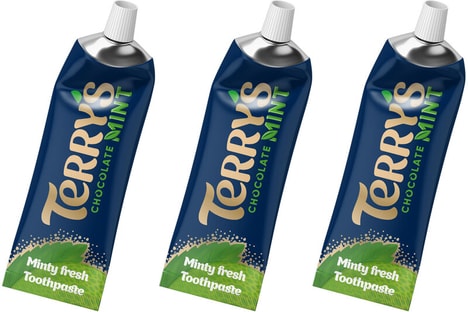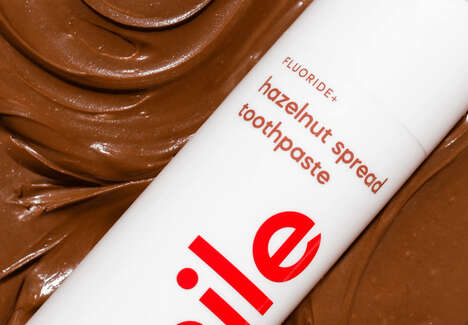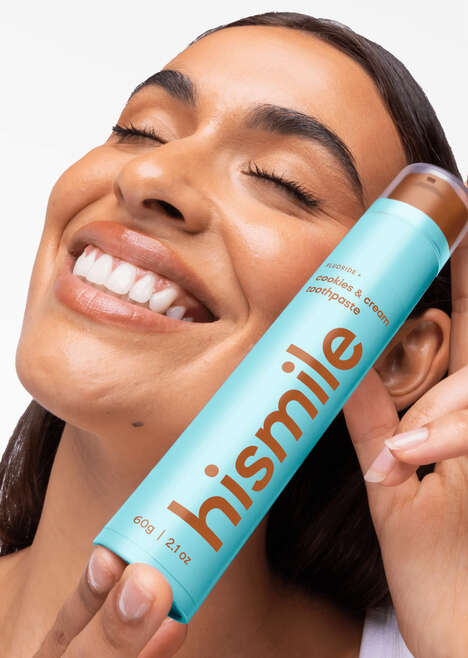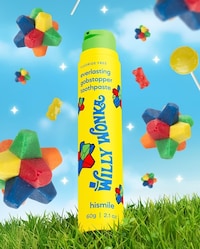
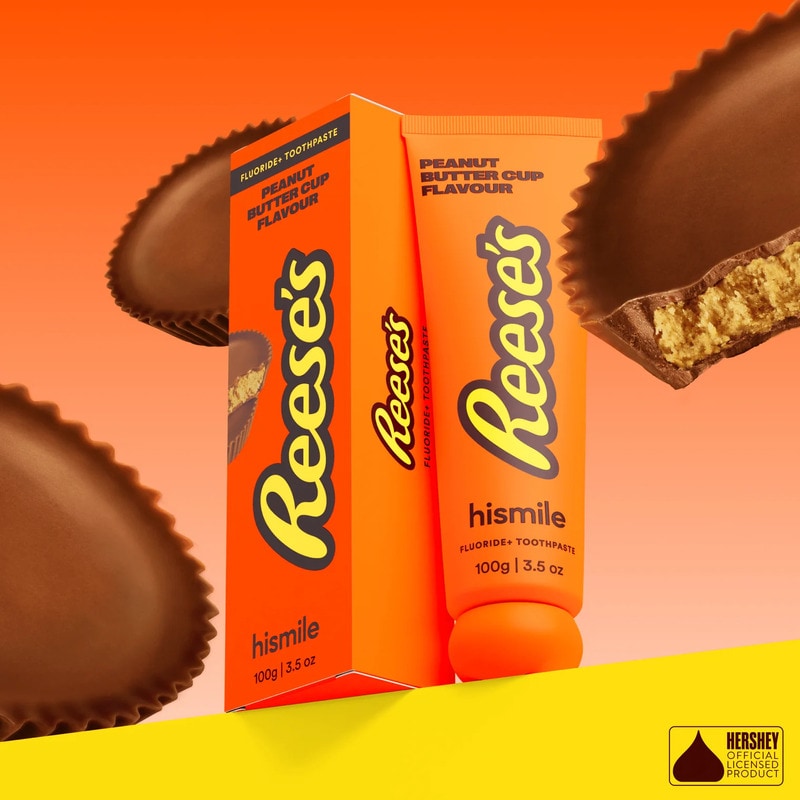
For chocolate lovers, the idea of brushing teeth with chocolate sounds like a dream, and while the real thing would be a dental nightmare, Hismile's Reese's Peanut Butter Cup toothpaste makes that fantasy a delicious reality without compromising smile health.
This officially licensed product combines the sweetness of milk chocolate and the creaminess of peanut butter into a smooth, treat-like and nostalgic flavor that promises to be "unmistakably Reese’s." Beyond its sweet, nutty and chocolatey flavor, this novel Hismile oral care product in iconic orange packaging supports long-lasting health with a fluoride-enhanced formula and appeals to all ages six and up who want to make their twice-daily brushing rituals feel a little more indulgent.
Why This Trend Is Growing
- Flavor-forward Oral Care
- Toothpaste formulations that prioritize indulgent, confectionery flavors create room for products that merge sensory pleasure with clinically effective oral health ingredients.
- Nostalgia-driven Product Collaborations
- Bringing iconic candy flavors into everyday personal care taps into emotional purchasing drivers and opens pathways for co-branded nostalgic experiences across categories.
- Licensed Consumable Personal Care
- The use of officially licensed food-brand identities in rinse-and-brush products demonstrates how entertainment-style IP can be extended into regulated consumables while preserving safety claims.
Industries Being Reshaped
- Oral Care and Dental Products
- Clinically formulated oral care brands stand to be reshaped by sensory-led variants that combine therapeutic actives with novel flavor profiles aimed at increasing adherence.
- Consumer Packaged Goods
- Mass-market CPG players can leverage confectionery-style flavors and distinctive packaging to differentiate low-engagement daily-use items and capture impulse-driven repeat purchases.
- Licensing and Brand Partnerships
- Brand licensors and IP holders are presented with opportunities to expand licensing portfolios into regulated personal care segments where recognizable marks enhance product desirability.