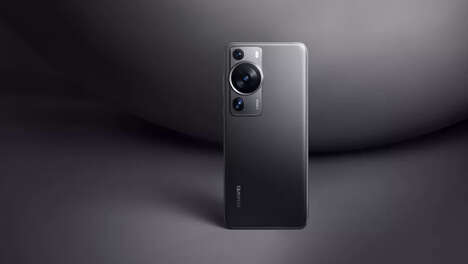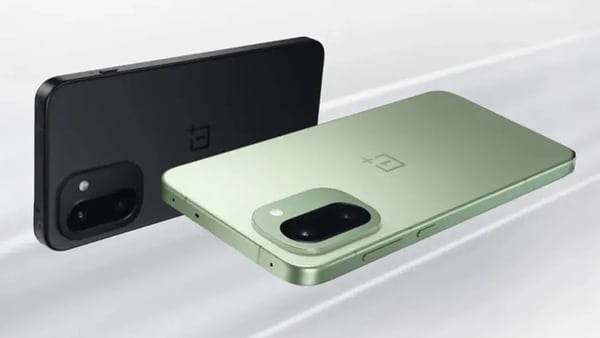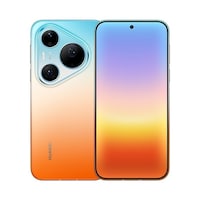
Huawei introduced the Pura 80 Ultra in June 2025 as part of its flagship Pura 80 Series. The device features a robust design with a glass front, aluminum frame, and glass back, measuring approximately 163 × 76.1 × 8.3 mm and weighing 233.5 grams. It is equipped with a 6.8-inch LTPO OLED display with a resolution of 1276 × 2848 pixels, 120Hz adaptive refresh rate, and 3000 nits of peak brightness, ensuring high-fidelity visuals with support for a wide color gamut. The display’s performance is enhanced by the integration of advanced durability features such as Kunlun Glass 2, while the device also supports high-speed charging with 100W wired and 80W wireless capabilities.
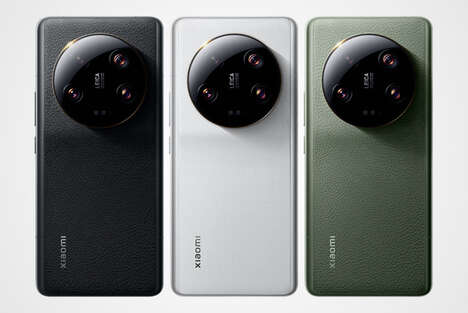
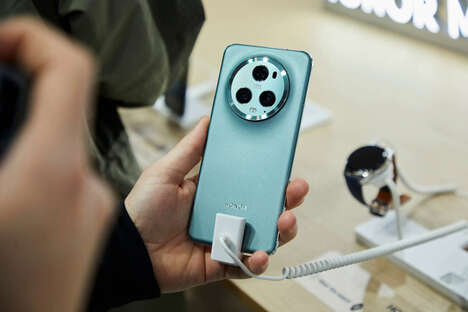
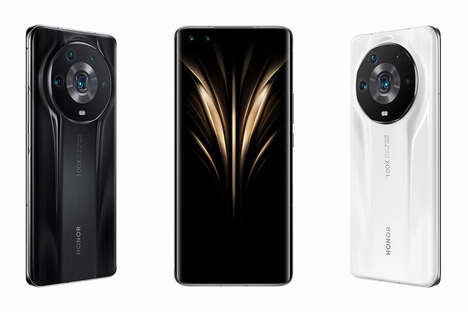
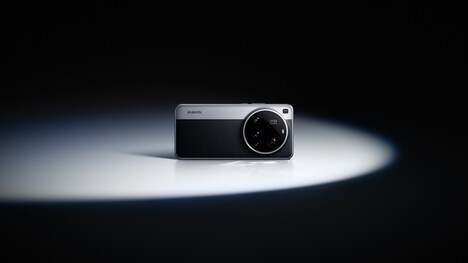
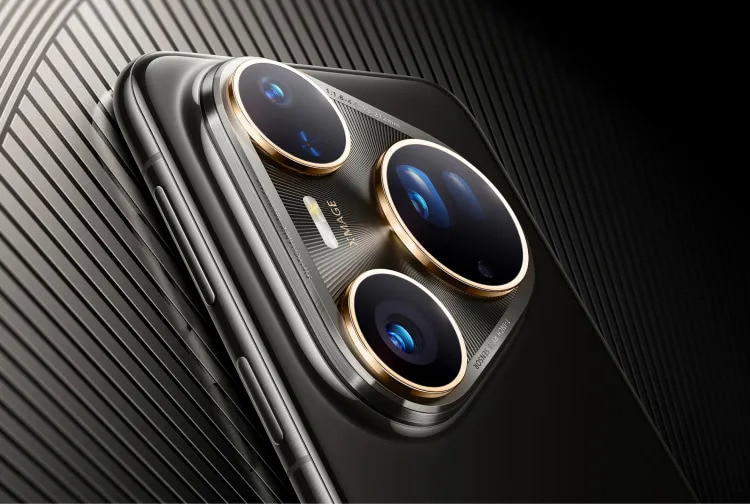
The Pura 80 Ultra’s camera system is a central aspect of its design, incorporating a 1-inch 50-megapixel primary sensor that features a variable aperture (f/1.6–4.0) and optical image stabilization. A notable innovation is the switchable dual telephoto module, which alternates between two telephoto lenses to achieve optical zoom levels of 3.7x and 9.4x, respectively. This optical system is further supplemented by a 40-megapixel ultrawide lens and a 1.5-megapixel multispectral sensor, creating a multi-lens configuration that aims to provide versatile imaging performance under varying conditions. The combination of these advanced optical components and the dynamic telephoto switching mechanism positions the Pura 80 Ultra as a distinctive entrant in the premium smartphone market.
Image Credit: Huawei
What's Driving This Trend
- Dual-telephoto Innovation
- Smartphones featuring dual telephoto lenses present a disruptive opportunity by offering unrivaled optical zoom capabilities that cater to professional-grade photography demands.
- Variable Aperture Technology
- The integration of variable aperture sensors in mobile devices is redefining smartphone photography, enabling enhanced control over depth of field and exposure settings for users.
- Multi-lens Imaging Systems
- Emergence of complex multi-lens camera setups in mobile devices provides opportunities to deliver versatile imaging solutions that adapt to diverse lighting and environmental conditions.
Who This Affects Most
- Smartphone Manufacturing
- The smartphone manufacturing industry benefits from technological advancements in camera systems, driving innovation in photography-focused devices.
- Digital Imaging Solutions
- An increased emphasis on sophisticated imaging technologies within mobile devices can revolutionize the digital imaging solutions market, offering consumers enhanced photographic capabilities.
- Mobile Accessories
- Demand growing for compatible mobile accessories as manufacturers introduce advanced optical systems that require specialized protective and enhancing gear.