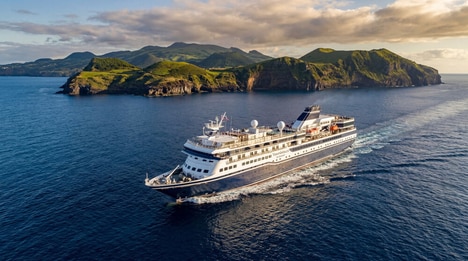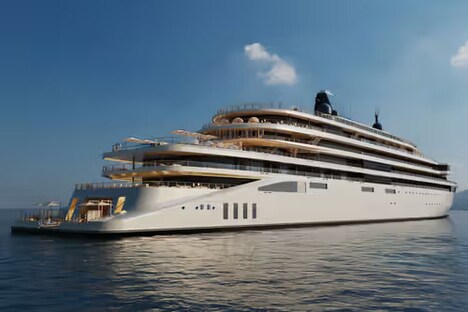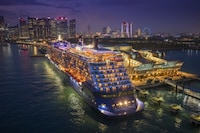
The 'Orient Express Corinthian' is a 220-meter sailing cruise vessel that combines large-scale hull dimensions with 54 suites across multiple decks.
The vessel uses the SolidSail propulsion system, which replaces traditional sails with rigid composite panels mounted on a trio of masts. These masts rotate fully and tilt when needed, while onboard systems adjust sail positioning in response to wind conditions through automated control rather than manual handling. The platform operates using a hybrid configuration that is more than capable of shifting between wind propulsion and liquefied natural gas engines depending on the need of the hour.
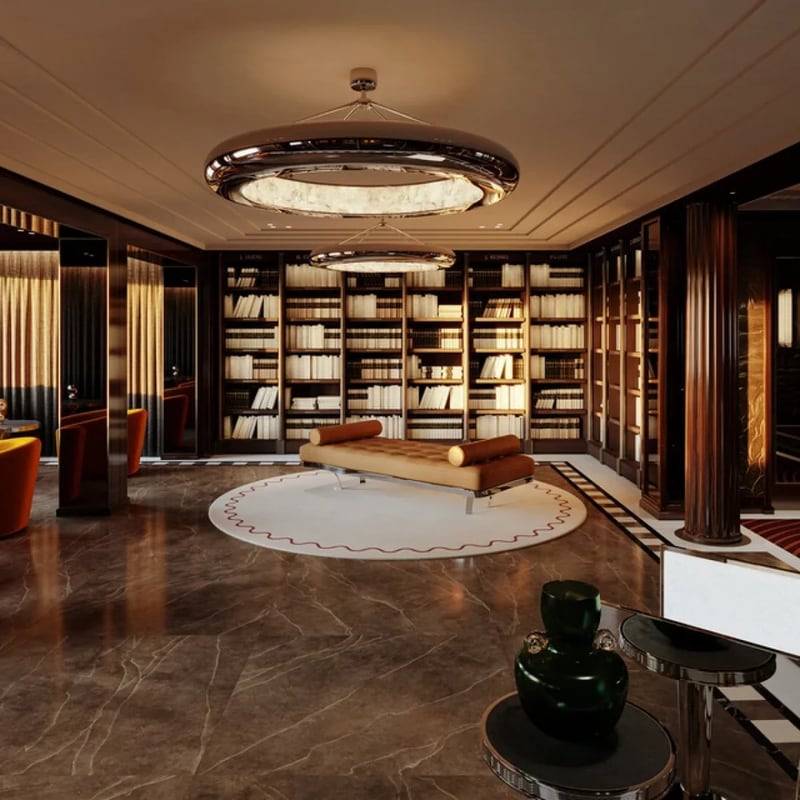
Interior spaces span multiple decks with suites, shared lounges and dining areas arranged for longer itineraries across coastal and open-water routes.
This luxury sailing yacht layout accommodates up to 130 guests while maintaining dedicated spaces for dining, entertainment and extended onboard stays.
Image Credit: Orient Express
Key Themes Behind This Trend
- Automated Rotating Composite Sails
- The integration of rigid, computer-controlled rotating sails creates opportunities for radically reducing crew needs and increasing fuel-free propulsion on large seafaring vessels.
- Hybrid Wind and LNG Propulsion
- Blending wind-driven systems with liquefied natural gas engines enables vessels to switch power modes for optimized emissions and operational range under variable conditions.
- Luxury Long‑itinerary Sail Cruises
- Expedition-scale yachts configured for extended coastal and open-water routes drive demand for high-end onboard amenities paired with efficient, low-emission propulsion to attract premium travelers.
Where This Applies
- Maritime Cruise Lines
- Premium cruise operators face shifting expectations as passengers seek sustainable yet luxurious voyages that leverage novel sail propulsion to differentiate itineraries.
- Marine Engineering and Manufacturing
- Designers and builders of large-scale masts and composite sail structures are positioned to redefine ship architecture through integrated automation and advanced materials.
- Sustainable Energy Systems
- Providers of hybrid power management and LNG-to-wind transition technologies stand to transform vessel energy economics by enabling seamless alternation between renewable and fossil fuel sources.