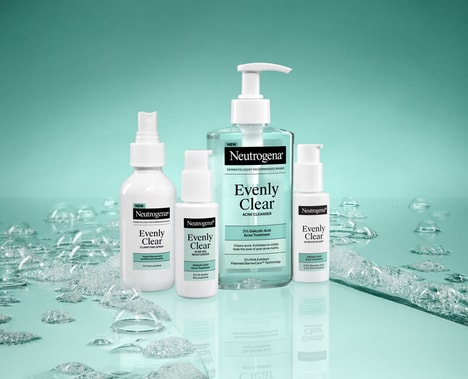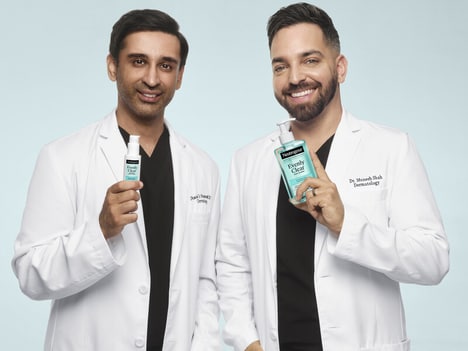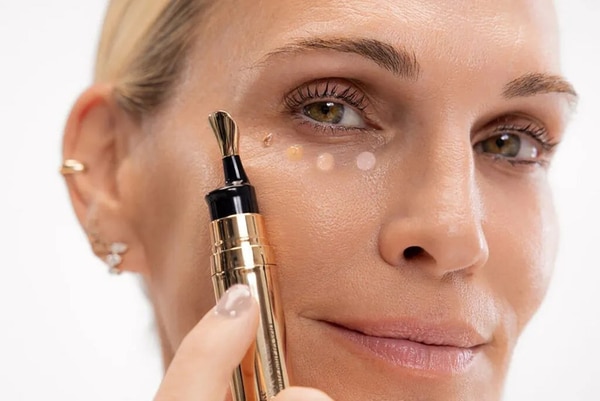

The Neutrogena Break the Rules campaign is a new initiative from the skincare brand that tackles the rigid rules of beauty advice to encourage consumers to break through by listening to dermatologist-backed science. The campaign is being kicked off with a focus on retinol and the Neutrogena Rapid Wrinkle Repair Retinol Regenerating Cream as an effective approach to help skin look its best against aging. The campaign challenges beauty rules that can often feel too rigid and strict, and encourages consumers to rely instead on dermatologist-backed science for their skincare routines, which is often easier to trust, understand and use.
Global Brand Leader Chris Riat spoke on the Neutrogena Break the Rules campaign saying, "Neutrogena has helped pioneer dermatologist-developed consumer skincare. Break the Rules is us putting 90 years of expertise to work where consumers need it most, helping move them past the noise and advancing their beauty routines both in terms of aesthetics and clinical efficacy.”
What Makes This Trend Stand Out
- Dermatologist-backed Beauty
- Clinical credibility is becoming a differentiator in skincare as consumers seek products and campaigns that simplify choices through expert validation.
- Rule-breaking Skincare
- Beauty brands are reframing rigid routine advice with flexible, science-led messaging that gives consumers more confidence in personalized product use.
- Retinol Education Campaigns
- Ingredient-focused storytelling around retinol creates space for brands to reduce confusion while positioning proven actives as accessible anti-aging solutions.
Sectors Adopting This
- Skincare
- Evidence-based product positioning is reshaping skincare by blending consumer-friendly education with clinically supported performance claims.
- Beauty Marketing
- Campaigns grounded in science and expertise are opening new pathways for brands to stand out in a crowded advice-driven beauty landscape.
- Dermatology
- Consumer beauty partnerships with dermatological authority are expanding the influence of clinical knowledge beyond medical settings into everyday routines.