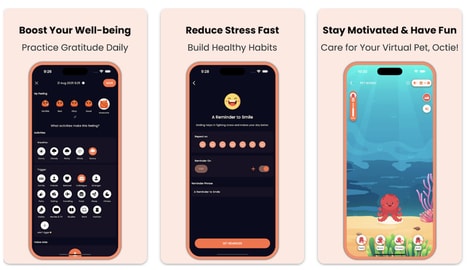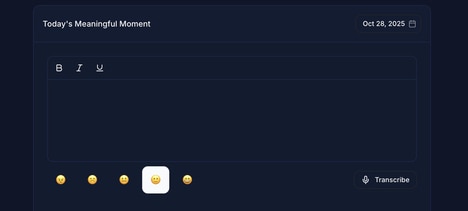

Moodia App is a digital platform designed to support personalized mental health management while enabling communication between users and healthcare professionals. The system combines patient-focused tools with clinician connectivity, allowing individuals to access guidance, monitor wellbeing, and engage with care providers within a single environment.
By integrating support resources and professional oversight, the platform aims to streamline aspects of mental health coordination and ongoing care. From a business perspective, solutions like Moodia App reflect the continued expansion of digital health ecosystems that prioritize accessibility, remote engagement, and data-informed support. The platform aligns with broader healthcare trends emphasizing hybrid care models, where technology supplements traditional clinical interactions. Such tools demonstrate how digital infrastructure is increasingly used to bridge gaps between patients and providers while improving continuity and efficiency in mental health services delivery.
Image Credit: Moodia App
Key Themes Behind This Trend
- Hybrid Mental Health Care
- Combining in-person therapy with continual digital touchpoints creates new models for scalable, continuity-focused treatment pathways.
- Data-driven Personalization
- Rich user-reported and passive data streams enable individualized care recommendations and adaptive treatment plans based on real-time signals.
- Patient-clinician Collaboration Platforms
- Integrated communication and shared care records foster tighter coordination and measurable outcomes across multidisciplinary mental health teams.
Where This Applies
- Digital Health Platforms
- Platforms that centralize patient tools and clinician interfaces are positioned to redefine service delivery and monetization across virtual care ecosystems.
- Behavioral Health Services
- Specialized providers can leverage digital engagement layers to extend reach, personalize interventions, and track long-term recovery metrics.
- Health Data Analytics
- Advanced analytics and predictive modeling applied to aggregated mental health data can surface population-level insights and risk stratification capabilities.