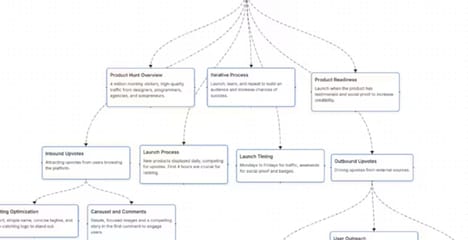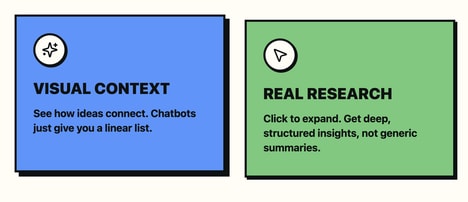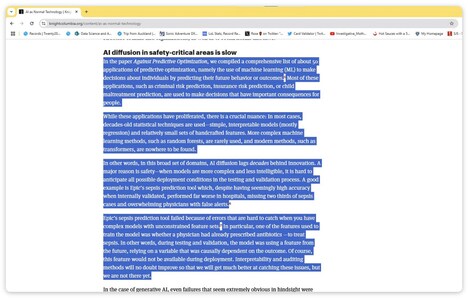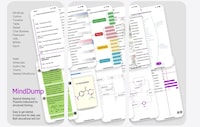
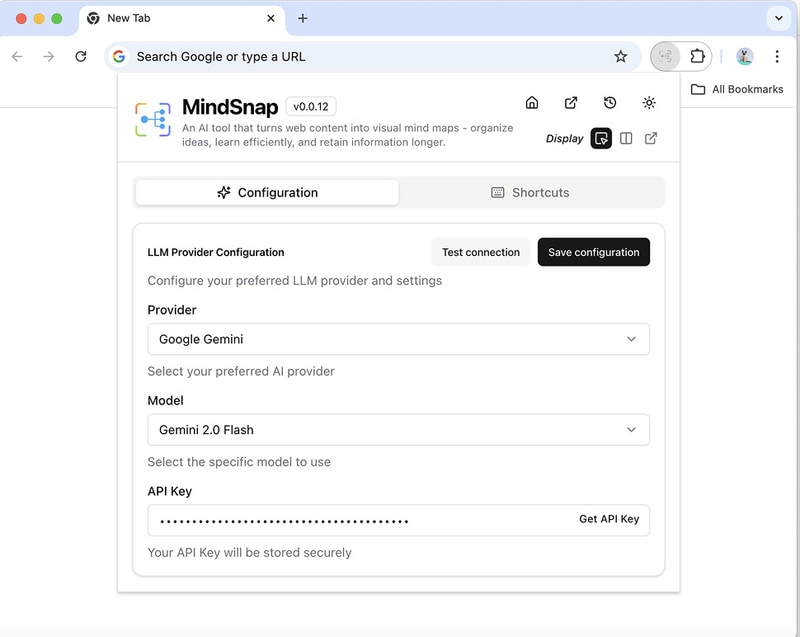
Reading dense articles or research pages can make it hard to retain structure and key ideas. MindSnap solves this by transforming web content into visual mind maps that organize information in a clear, hierarchical format.
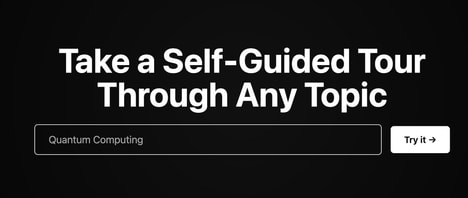
As a Chrome extension, it lets users convert any webpage into an interactive map in seconds. This makes it easier to break down complex topics into connected ideas that are faster to understand and remember. The tool is designed to run locally, ensuring privacy while delivering instant visual summaries without the need for signups or external processing. This keeps the experience fast and secure.
MindSnap is aimed at students, researchers, and lifelong learners. By turning linear content into structured visual knowledge, it helps users learn faster and retain information more effectively.
Image Credit: MindSnap
Why This Trend Is Growing
- Instant Local Knowledge Visualization
- A shift toward on-device conversion of webpages into interactive maps that preserves privacy while surfacing hierarchical structure for faster comprehension.
- Zero-trust Personal AI Processing
- Local-first AI models reduce reliance on cloud services and lower data-exposure risk while still delivering real-time semantic transformations.
- Linear-to-graph Content Transformation
- Converting sequential text into node-and-relationship diagrams that expose hidden connections and support deeper insight generation.
Industries Being Reshaped
- Higher-education
- Students and instructors gain access to tools that translate lectures and readings into study-ready visual maps, improving retention and curriculum design.
- Academic-research
- Researchers benefit from automated mapping of literature that highlights conceptual linkages and gaps across disciplines for literature reviews and hypothesis formation.
- Enterprise-knowledge-management
- Organizations can consolidate scattered documentation into navigable knowledge graphs that clarify decision contexts and reduce onboarding friction.