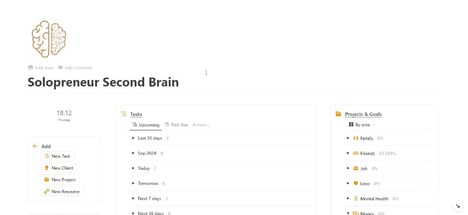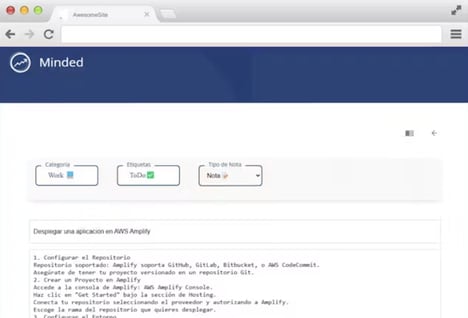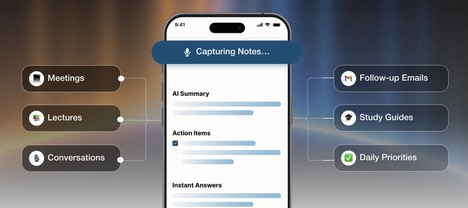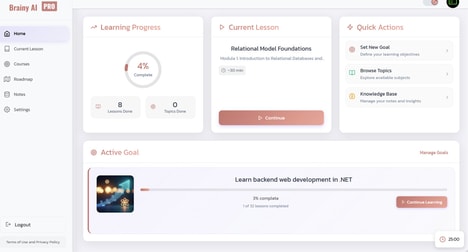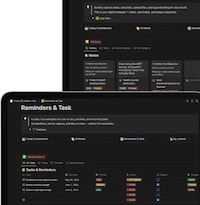
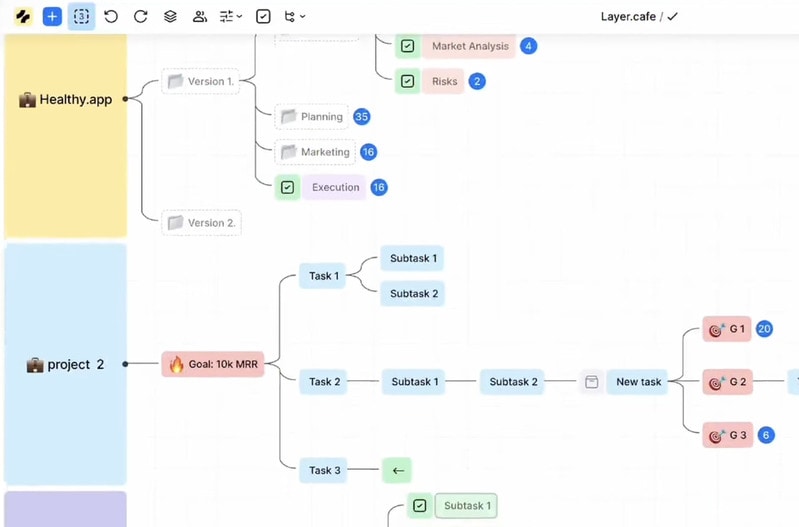
Layer Brain-Inspired Planner applies proven knowledge-management theory to everyday execution. Structured around the “Second Brain” methodology, the platform captures ideas, reference materials, and action items in one networked workspace.
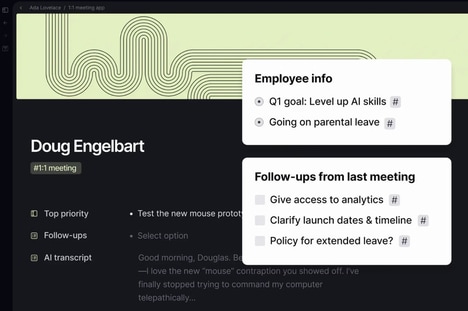
Tasks, projects, and long-term goals are linked through bidirectional notes, giving teams immediate context for every decision. Automated review cycles surface upcoming priorities while archival functions preserve institutional memory, reducing onboarding time and preventing knowledge loss. A modular database design lets users slice information by owner, timeline, or strategic objective, enabling data-driven resource allocation. Enterprise-grade encryption and granular permissions safeguard sensitive content without limiting collaboration. By combining note-taking, project tracking, and goal setting, the tool eliminates the fragmentation that often slows knowledge-work operations. The result is a single, continuously updated hub efficiently enterprise that turns individual insights into coordinated business outcomes.
Image Credit: Layer Brain
Key Themes Behind This Trend
- Integrated Knowledge Management
- Cognitive workflow engines like Layer streamline knowledge management by integrating idea capture, task monitoring, and project planning into one cohesive system.
- Bidirectional Note-taking
- Using bidirectional notes to link projects and goals provides teams with real-time context, facilitating faster and more informed decision-making.
- Automated Priority Reviews
- Automated review cycles within these platforms ensure crucial tasks and priorities are continuously highlighted and revisited, enhancing productivity and focus.
Where This Applies
- Enterprise Software
- The fusion of task management and note-taking in a secure platform offers a powerful solution tailored for enterprise-level knowledge-work operations.
- Knowledge Management Systems
- Platforms like Layer redefine knowledge management by seamlessly integrating memory preservation and data-driven insights into everyday business operations.
- Data Encryption and Security
- Granular permissions and enterprise-grade encryption cater to industries prioritizing security, without compromising on collaborative potential.