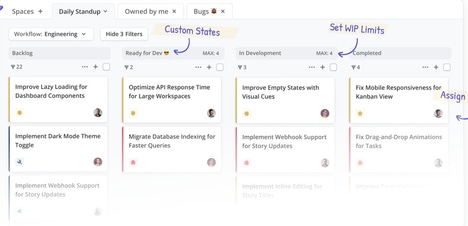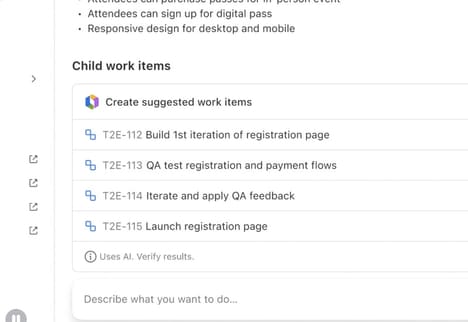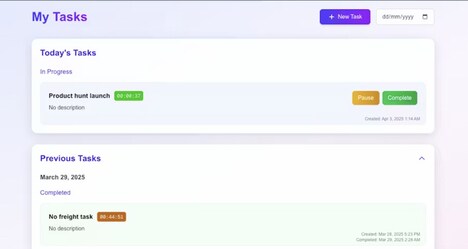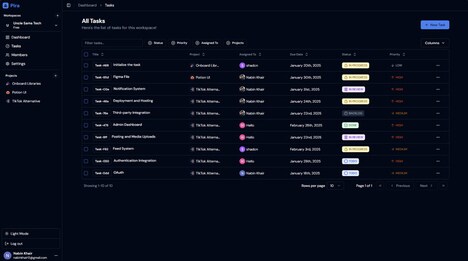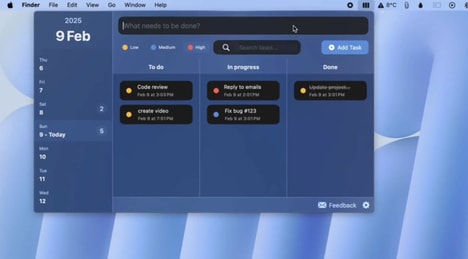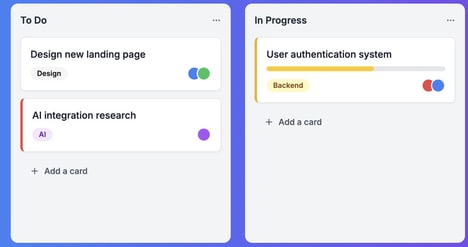
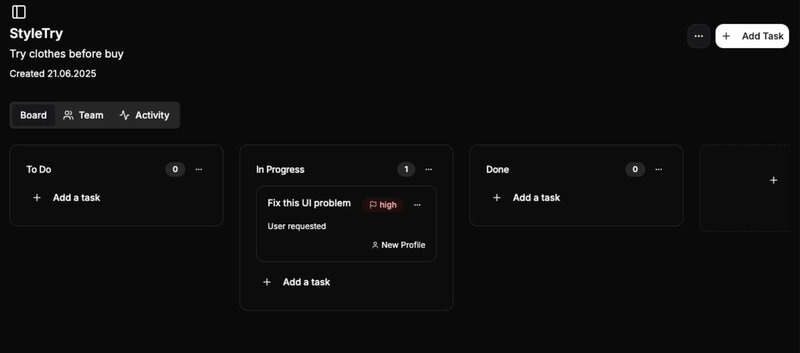
Many project management platforms can become overwhelming with unnecessary features, complicated setups, and cluttered interfaces. Kanba is an open-source project management tool designed for modern teams and makers who want a faster, cleaner way to organise their work.
The platform provides simple workflows, a polished interface, and flexible options to either self-host or use a hosted version. Built for creators, developers, and teams, Kanba helps users stay focused on building without the distractions of bloated software. By prioritising speed, simplicity, and control, the tool makes project management more efficient and enjoyable. Kanba gives teams a streamlined way to plan, collaborate, and manage projects at their own pace. With full control over workflows and data, Kanba provides teams with a lightweight alternative to traditional project management platforms.
Image Credit: Kanba
Key Themes Behind This Trend
- Lightweight Project Management
- Minimal interfaces and streamlined workflows create space for productivity tools that reduce complexity while preserving essential collaboration capabilities.
- Open-source Workflows
- Community-driven software models are reshaping team operations by combining transparency, customization, and lower barriers to adoption.
- Self-hosted Collaboration
- Data control and deployment flexibility are becoming differentiators for teams seeking alternatives to centralized SaaS project management platforms.
Where This Applies
- Productivity Software
- Simplified work management platforms point to new opportunities for software that prioritizes focus, speed, and user autonomy.
- Developer Tools
- Flexible, maker-oriented project systems reflect growing demand for tools that fit technical workflows without excessive configuration.
- Team Collaboration
- Cleaner collaboration experiences indicate potential for workplace platforms built around adaptable processes rather than feature-heavy ecosystems.