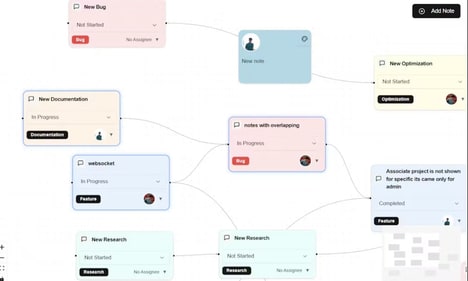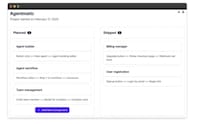
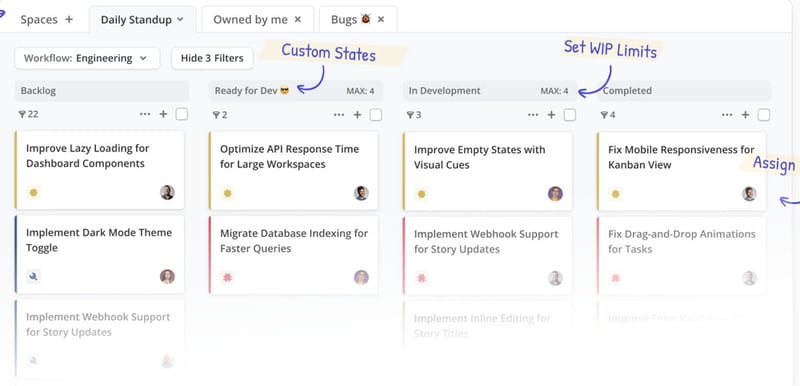
Shortcut is a project management platform designed to support product engineering teams in planning, tracking, and delivering software. It combines core development workflows such as issue tracking, sprint planning, and roadmap management into a single environment.
Teams can organize work from early-stage ideation through to release, using customizable workflows and structured views to maintain visibility across projects. The platform emphasizes speed and usability, aiming to reduce friction in day-to-day task management while keeping teams aligned on priorities. By centralizing development activity, tools like this help streamline collaboration between engineers, product managers, and stakeholders. In a business context, integrated project management systems play a key role in improving delivery timelines, resource allocation, and overall operational efficiency, particularly for organizations managing complex or fast-moving product development cycles.
Image Credit: Shortcut
What's Driving This Trend
- Integrated Development Workspaces
- Consolidating issue tracking, sprint planning, and roadmaps into a single environment enables platforms to replace fragmented toolchains and redefine developer productivity metrics.
- Workflow Customization and Automation
- Highly configurable workflows coupled with automated transitions create potential for systems that reduce manual coordination and embed best practices directly into delivery pipelines.
- Real-time Cross-functional Visibility
- Persistent, structured views across teams and stages open possibilities for predictive coordination tools that surface risks and align priorities before bottlenecks form.
Who This Affects Most
- Enterprise Software
- Centralized project platforms can disrupt legacy enterprise tool stacks by offering integrated suites that lower integration overhead and accelerate rollout timelines.
- Saas Product Engineering
- Product teams working in subscription models stand to benefit from embedded delivery analytics and modular workflows that shift value from feature delivery to predictable outcomes.
- Agile Consulting and Training
- Consultancies focused on agile transformation may evolve toward tooling-led services that pair platform configuration with change management to scale new ways of working.