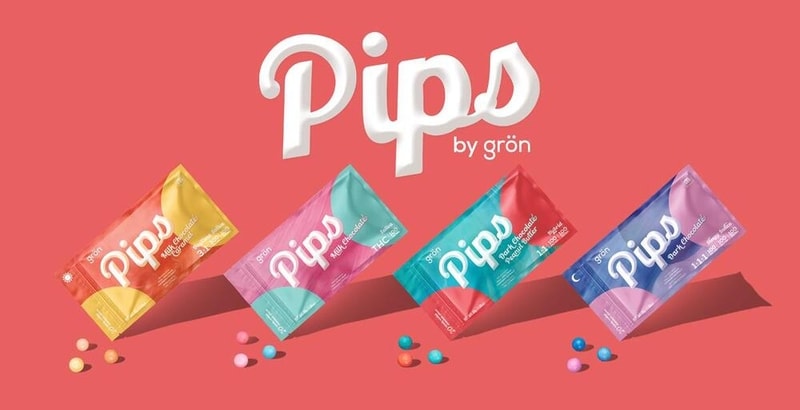
'Grön Pips,' a bite-sized cannabis chocolate line designed for measured dosing and moment-based use, featuring a crispy crunchy center and single-piece 5 mg THC servings. The brand launched the collection for New York consumers seeking approachable edibles, offering varieties formulated for daytime focus, relaxation and sleep.
The lineup includes "Sativa Milk Chocolate Caramel with added CBG, Sativa Milk Chocolate, Indica Dark Chocolate as a New York exclusive, and a Sleepy Indica blend combining CBD, CBN and THC. Each package holds 20 pieces (100 mg total) so users can pace intake one bite at a time and choose cannabinoid ratios tied to different occasions."
For consumers this matters because Pips translate cannabis dosing into a familiar candy format that supports micro-dosing, social sharing and situational choice, fitting broader trends toward precise, ingredient-forward edible options. The rollout began at select New York retailers with a wider state release planned this month.
Image Credit: Grön
Key Themes Behind This Trend
- Microdosing Edibles
- Smaller, standardized 5 mg servings enable precise microdosing behaviors that could redefine dosing norms and product formats across cannabis categories.
- Occasion-based Formulations
- Formulating SKUs around daytime focus, relaxation and sleep creates a shift toward role-specific cannabinoid blends tailored to situational consumer needs.
- Familiar Candy Formats
- Translating cannabis dosing into recognizable confectionery pieces bridges stigma and consumer adoption by leveraging familiar textures, portioning and social rituals.
Where This Applies
- Confectionery
- Chocolate makers and candy brands face opportunities to incorporate standardized cannabinoid dosing into mainstream product lines and packaging paradigms.
- Cannabis Retail
- Dispensaries and retail chains are positioned to curate occasion-driven assortments and educational merchandising that reshape shopper decision journeys.
- Nutraceuticals
- Supplement and wellness companies could converge cannabinoids with functional ingredients to develop regulated, dose-consistent products targeting specific outcomes.