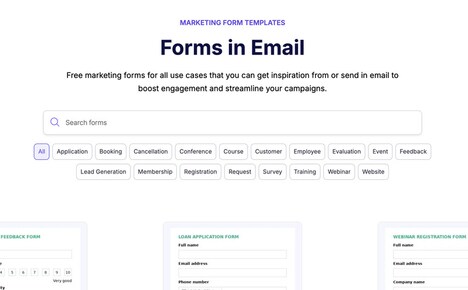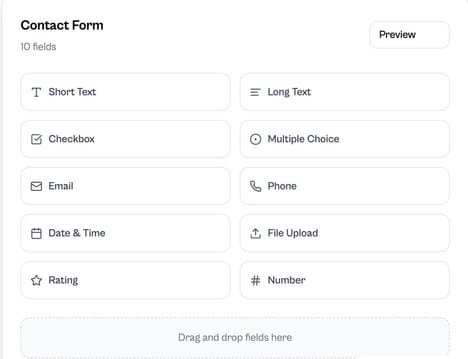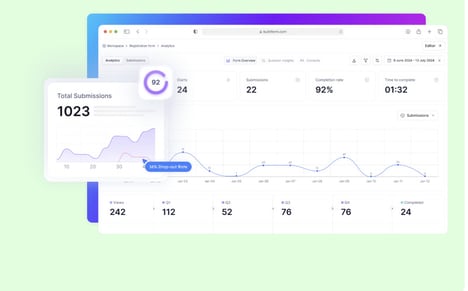
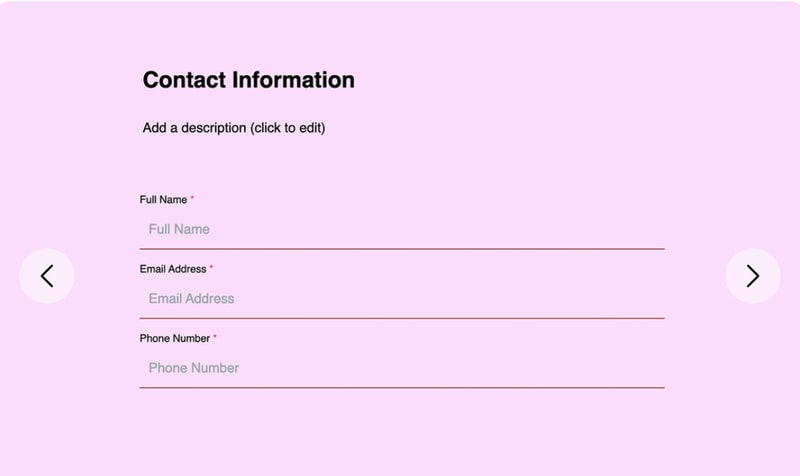
Form Builder is a web-based application designed to create and manage multi-page digital forms for data collection. It provides users with customizable templates, embedded media options, and integration features for websites and workflows.
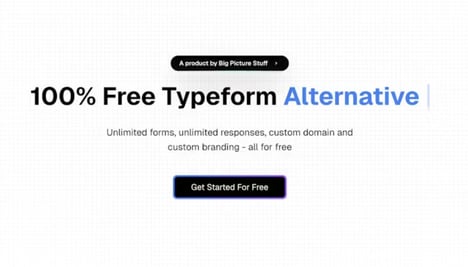
The platform supports unlimited responses, allowing organizations to gather and process large volumes of user input without restrictions on submission volume. Its design emphasizes ease of use, enabling forms to be built and deployed without technical expertise. This reflects a broader trend in no-code tools that simplify data collection and user interaction processes for businesses and individuals. For organizations, form builders can support lead generation, customer feedback, surveys, and onboarding workflows, while reducing dependency on custom development. By combining accessibility with scalability, such tools help streamline information gathering and improve operational efficiency across digital touchpoints and user-facing systems.
Image Credit: Form Builder
What Makes This Trend Stand Out
- No-code Form Builders
- By enabling nontechnical staff to design complex data flows, platforms of this kind reduce reliance on engineering teams and shift value toward configurable product features.
- Scalable Unlimited-response Platforms
- Systems that support unrestricted submission volumes open possibilities for real-time population-scale feedback loops and large-scale behavioral datasets previously constrained by capacity limits.
- Embedded Media-enhanced Surveys
- Incorporating video, audio, and interactive elements into forms creates richer contextual inputs and new modalities for measuring user sentiment and engagement.
Sectors Adopting This
- Saas and Customer Relationship Management
- Integrating versatile form tools into SaaS stacks can transform lead capture and churn prediction by delivering structured, high-frequency user signals directly into CRM pipelines.
- Market Research and Insights
- Access to large-scale, multimedia-enriched response datasets enables finer-grained segmentation and predictive modeling that can disrupt traditional panel-based research economics.
- Human Resources and Digital Onboarding
- Streamlined multi-page workflows for candidate assessments and employee onboarding facilitate continuous talent analytics and an automated single-source record of compliance and skills data.