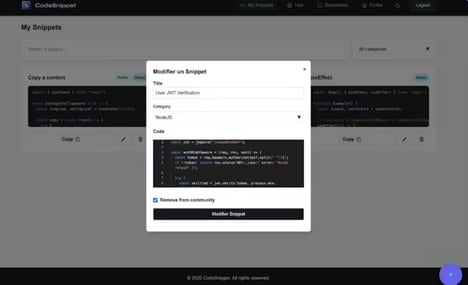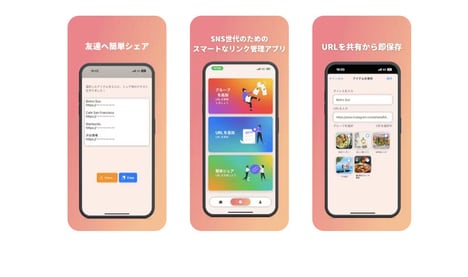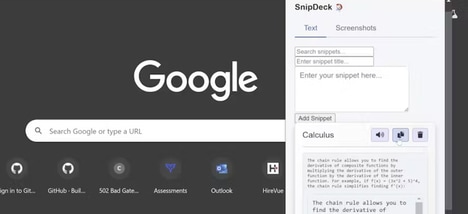
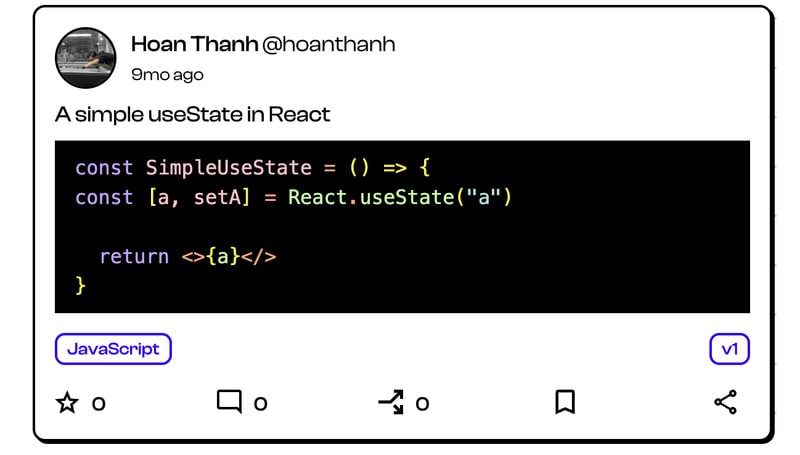
Snipblr is a developer-focused, code sharing platform designed to facilitate the sharing, collaboration, and discussion of code snippets. Users can post short pieces of code, which are licensed under the MIT license, enabling open collaboration and reuse within the programming community. The platform supports social interactions, including starring, forking, and commenting on snippets, which allows developers to engage with peers, exchange knowledge, and track popular or useful code examples.
Snipblr’s structure encourages collaborative problem-solving and learning while maintaining transparency through open-source licensing. The platform also functions as a repository where developers can quickly reference, reuse, or adapt code for their projects, making it a practical tool for both individual programmers and teams. By combining social features with code management, Snipblr supports professional development and community engagement in the software ecosystem.
Image Credit: Snipblr
Why This Trend Is Growing
- Collaborative Code Sharing
- Platforms like Snipblr are transforming how developers collaborate by enabling seamless sharing and discussion of code snippets, fostering a more engaged and knowledgeable community.
- Open-source Knowledge Exchange
- The adoption of open-source licensing within platforms allows for unrestricted reuse and adaptation of code, accelerating innovation and transparency in software development.
- Social Features in Development Tools
- Integrating social functionalities into code management systems facilitates better community interaction and the exchange of ideas, enhancing developer engagement and learning.
Industries Being Reshaped
- Software Development
- The rise of platforms that incorporate collaborative and social elements is reshaping the software development industry by improving communication and knowledge sharing among developers.
- Open-source Platforms
- Open-source platforms benefit from the trend of code sharing by promoting a more inclusive and accessible environment for software innovation and community-driven development.
- Tech Collaboratives
- Tech collaboratives are gaining momentum by integrating features that support open and interactive collaboration, thus encouraging continuous learning and diverse input from global developers.