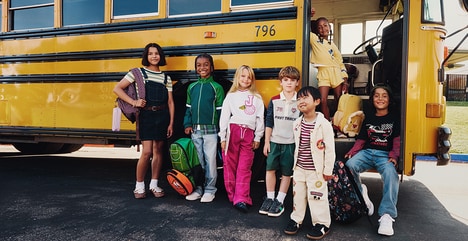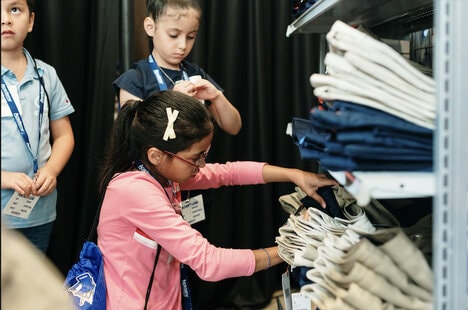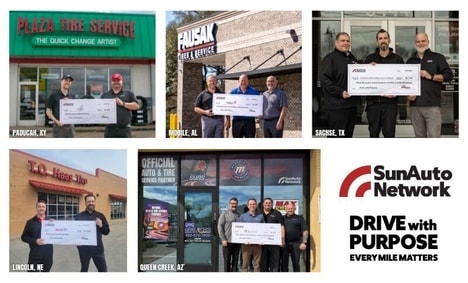
Toyota has marked the fifth anniversary of its Big Summer Giveback campaign — a partnership with the Kids In Need Foundation that has grown to involve more than 680 dealerships nationwide in providing essential school supplies to under-resourced students through the foundation's Supply A Student program.
The Big Summer Giveback initiative, which has generated over $8.5 million in cumulative donations and supported more than 300,000 students since its inception, targets schools where at least 70% of students qualify for free or reduced-price meals. The 2026 campaign is expected to be the largest yet, with over 65 dealerships each contributing $10,000 and hosting local backpack distribution events. A separate promotion during August will donate three dollars to the foundation for every eligible oil change with tire rotation purchased at participating service centers.
Image Credit: Toyota
Why This Trend Is Growing
- Dealership-led Philanthropy
- Automotive retail networks are becoming localized social impact hubs, creating room for branded community programs that build loyalty through measurable charitable outcomes.
- Cause-linked Maintenance
- Routine service transactions are being tied to donations, suggesting new potential for turning everyday purchases into recurring micro-funding channels for nonprofits.
- Back-to-school Equity
- Corporate support for school supply access highlights growing demand for partnerships that address education affordability gaps at the community level.
Industries Being Reshaped
- Automotive Retail
- Dealership groups can differentiate beyond sales and service by embedding local giving campaigns into customer engagement and regional brand identity.
- Education Nonprofits
- Supply-focused foundations are positioned to scale impact through corporate retail footprints that provide funding, logistics, and local event visibility.
- Cause Marketing
- Brand campaigns with transparent donation mechanics offer fertile ground for consumer trust, repeat participation, and stronger community-based storytelling.