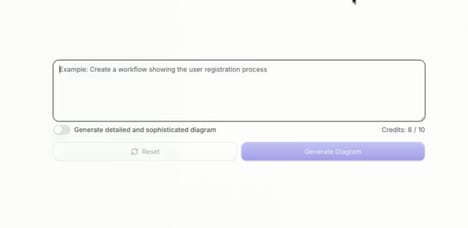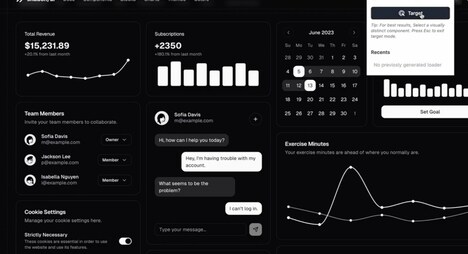
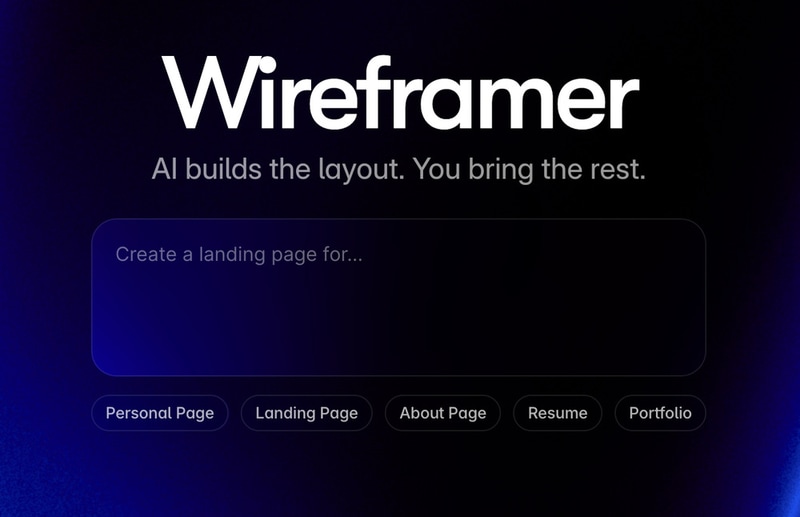
AI Wireframer operates within the UI design and rapid prototyping space, focusing on generating responsive layouts from simple text prompts. Users can describe an interface idea, and the system creates structured wireframes that prioritise hierarchy, spacing, and user flow. Rather than producing heavily styled mockups, the platform focuses on foundational layout architecture, giving designers and creators a flexible starting point for further iteration.
The generated structures remain adaptable, allowing users to build upon them without being locked into predefined visual aesthetics. It supports early-stage ideation where speed, clarity, and organisation matter more than polished visuals. By translating prompts into usable layout frameworks, Wireframer transforms the blank-canvas stage of interface creation into a more guided and immediate process. The platform turns abstract ideas into navigable structures quickly, helping users move from concept to workable layout while maintaining creative flexibility throughout the design workflow.
Image Credit: Wireframer
Key Themes Behind This Trend
- Prompt-driven Layout Generation
- A move toward text-prompted interfaces that translate natural language into structured, responsive wireframes, reducing the gap between concept and initial layout.
- Hierarchy-aware AI Design
- Systems that prioritize content hierarchy and user flow in generated layouts enable clearer information architecture at the earliest stages of product creation.
- Neutral-style Wireframing
- The emergence of style-agnostic skeletons that preserve creative flexibility while offering immediately usable structure for diverse visual directions.
Where This Applies
- UI/UX Design Tools
- Design tool vendors confronted with demand for faster ideation and adaptable starting points that minimize manual layout work and accelerate prototype readiness.
- Saas Product Development
- Product teams that rely on rapid iteration and consistent information hierarchy across features could leverage generated skeletons to standardize early-stage planning.
- Digital Agencies
- Agencies producing multiple client interfaces where reusable, promptable frameworks can streamline scoping and preserve bespoke visual direction later in the workflow.