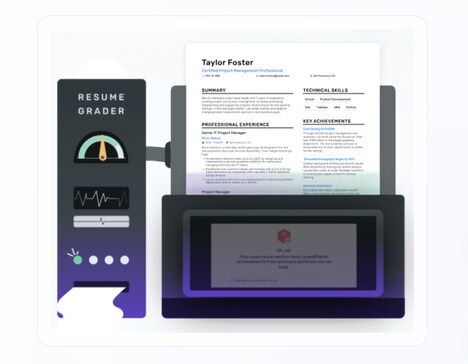
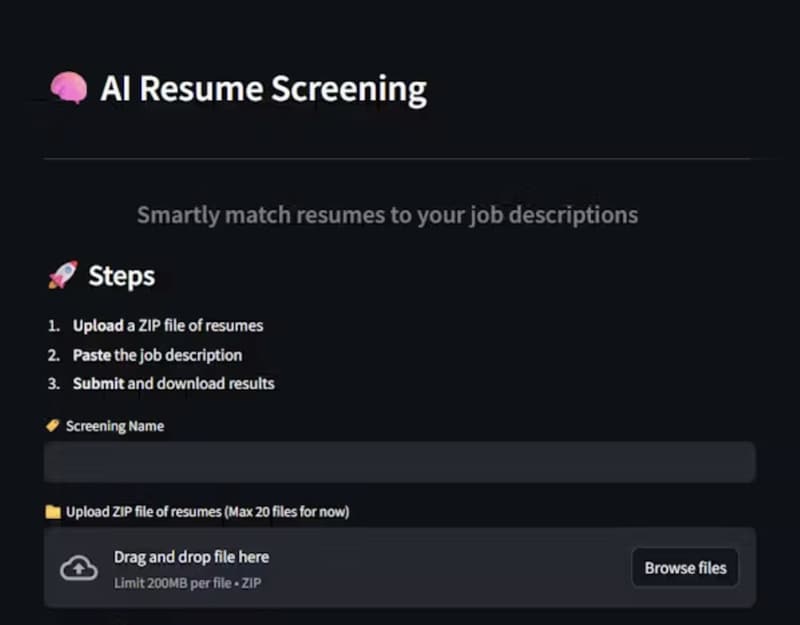
AI Resume Screener reflects the continued automation of early-stage recruitment processes, where volume and speed often challenge traditional hiring workflows. Positioned as an AI agent, it focuses on scoring resumes and extracting candidate information in real time, reducing manual screening effort for recruiters.
From a business perspective, it fits into a broader shift toward data-driven hiring decisions, where structured outputs replace subjective initial reviews. The tool targets HR teams and growing companies managing high applicant volumes, offering efficiency gains in sorting and shortlisting candidates. Its value proposition is closely tied to consistency and time savings, particularly in fast-moving hiring environments. As with many AI-driven HR tools, its effectiveness will likely depend on model transparency, bias management, and how well it integrates with existing applicant tracking systems and workflows.
Image Credit: AI Resume Screener
What's Driving This Trend
- Automated Candidate Scoring
- Creates opportunities for replacing manual resume triage with consistent, scalable ranking systems that shift recruiter focus to higher-value evaluation stages.
- Real-time Data Extraction
- Offers potential to transform unstructured resume content into standardized talent profiles that accelerate matching and analytics workflows.
- Bias-aware Hiring Algorithms
- Enables the development of transparent models and audit trails that can reduce subjective variability and build trust in automated shortlisting.
Who This Affects Most
- Human Resources Technology
- Stands to be disrupted by embedded AI agents that turn routine screening into a data-rich layer for workforce planning and internal mobility.
- Recruitment Process Outsourcing
- May see service models evolve as automation allows vendors to scale candidate screening while offering outcome-based pricing tied to quality metrics.
- Applicant Tracking Systems
- Could integrate advanced scoring and extraction modules that shift ATS value propositions from storage and workflow to predictive hiring intelligence.