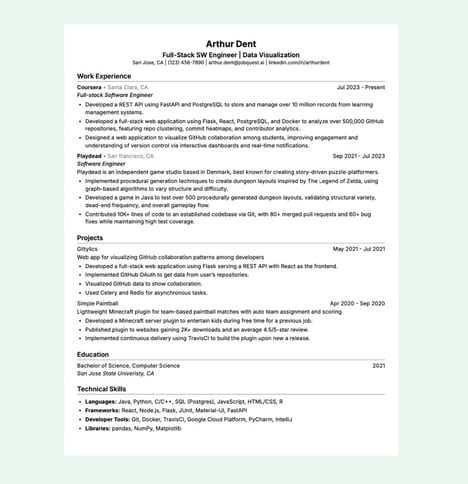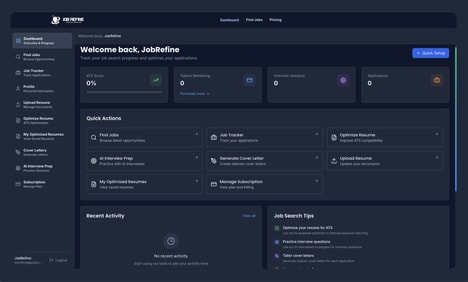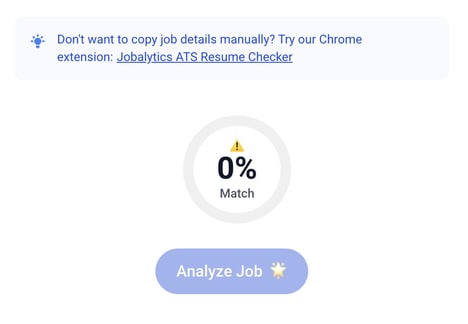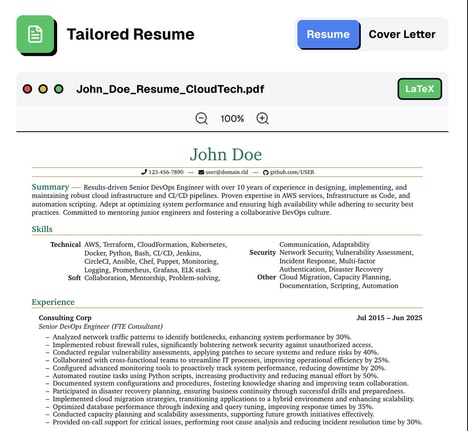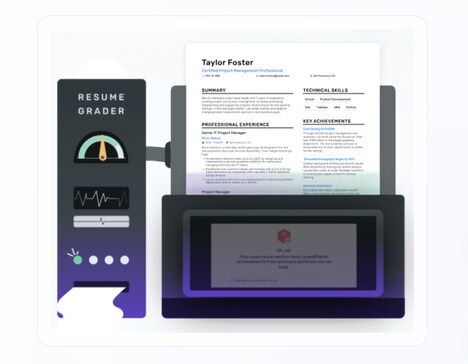
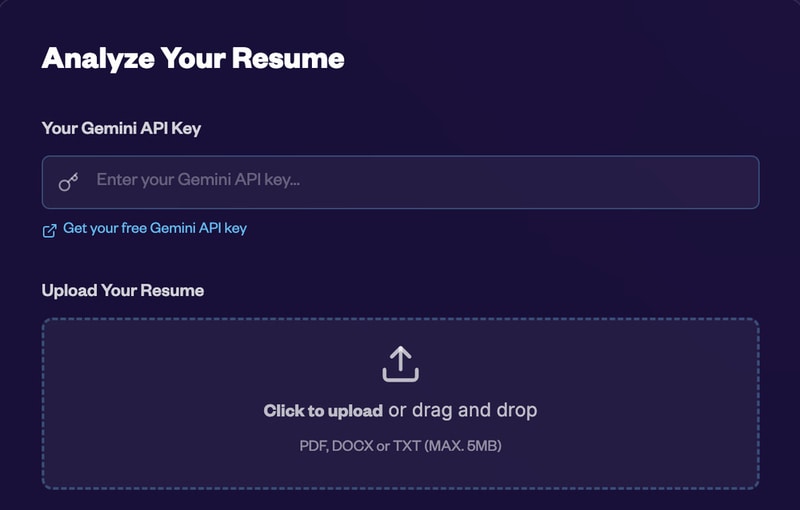
Resume Optimization Resume AI is a digital tool designed to evaluate and enhance resumes using artificial intelligence and language models. Built on BERT-based natural language processing technology, the platform analyzes resume content to identify gaps, improve keyword alignment, and optimize formatting for applicant tracking systems.
The system aims to help candidates improve their chances of passing automated screenings used by employers. By applying machine learning to resume structure and content, the platform provides actionable suggestions that may increase interview opportunities. This reflects a broader trend in career technology where AI tools are used to support job seekers in navigating automated recruitment processes. For users, such platforms can help streamline application preparation, improve alignment with job descriptions, and increase the likelihood of visibility within competitive hiring pipelines.
Image Credit: Resume AI
Key Themes Behind This Trend
- AI-driven Resume Personalization
- Personalized resume tailoring using language models enables highly targeted matches to job descriptions that can bypass generic screening filters and reshape candidate sourcing.
- Ats-compatible Formatting Automation
- Automated reformatting for applicant tracking systems reduces false negatives by standardizing structure and metadata in ways that can change resume visibility algorithms.
- Skill Gap Analysis and Upskilling Signals
- Model-based identification of missing skills and certification recommendations creates data-driven pathways for workforce reskilling and credential validation marketplaces.
Where This Applies
- Recruitment Technology
- Integration of resume optimization engines into hiring platforms can transform candidate pipelines by prioritizing algorithmic fit metrics over traditional CV review.
- Higher Education and Career Services
- Institutions could leverage AI resume analytics to align curricula with employer demand, generating credentialing services that respond directly to hiring algorithms.
- Human Resources Consulting
- Consultancies may adopt AI-driven resume insights to redesign employer screening practices and offer algorithm-aware talent advisory services.