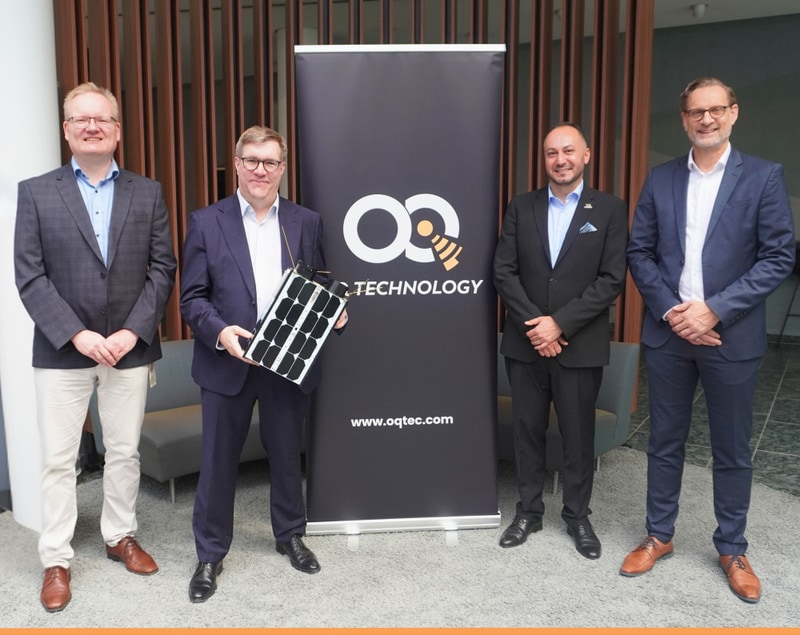
Satellite phone links are transforming how mobile connectivity is delivered by extending cellular service beyond the limits of traditional ground-based networks. OQ Technology and Telefónica Germany are testing direct-to-smartphone communications that allow standard mobile devices to connect with low Earth orbit satellites using existing mobile spectrum. The approach aims to provide messaging and voice services in remote, underserved, or difficult-to-reach areas without requiring specialized hardware.
This development highlights the growing convergence of terrestrial and satellite communications into a unified connectivity ecosystem. For telecom operators, hybrid networks can expand coverage while reducing the need for costly infrastructure deployments in sparsely populated regions. The model also strengthens digital resilience by providing alternative communication pathways during outages or emergencies. For businesses and governments, broader connectivity supports industries such as logistics, agriculture, energy, and public safety. As direct-to-device satellite services mature, seamless global coverage may become a standard expectation for mobile users.
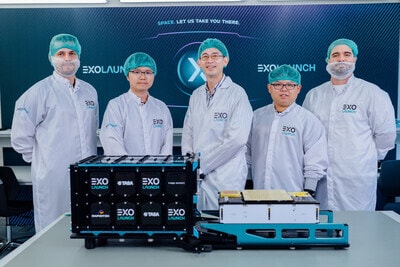
Image Credit: OQ Technology
What's Driving This Trend
- Direct-to-device Connectivity
- Standard smartphones linked to low Earth orbit satellites signal a shift toward mobile services that bypass specialized hardware and extend coverage into previously unreachable markets.
- Hybrid Network Resilience
- Blended terrestrial and satellite infrastructure creates new redundancy models for communications during outages, disasters, and infrastructure disruptions.
- Universal Mobile Coverage
- Seamless connectivity across remote, rural, and underserved regions redefines user expectations and opens new service models for always-available digital access.
Who This Affects Most
- Telecommunications
- Mobile operators gain a pathway to expand service footprints without dense tower deployments, reshaping competitive strategies around coverage, reliability, and spectrum utilization.
- Logistics
- Satellite-enabled smartphone access improves visibility for fleets, field workers, and assets moving through remote corridors where conventional cellular networks are limited.
- Public Safety
- Emergency response systems benefit from alternative communication channels that support coordination in disaster zones, rural areas, and regions with damaged network infrastructure.