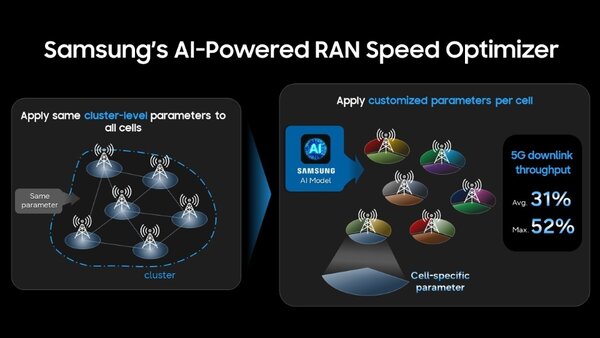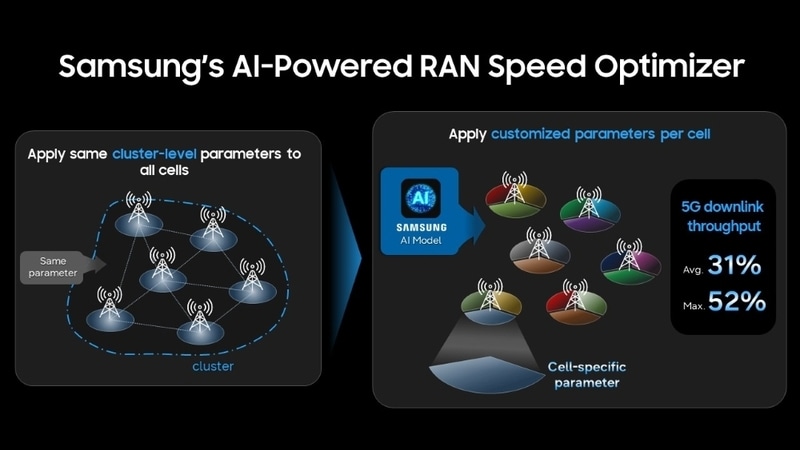
AI network optimization is transforming mobile infrastructure by enabling artificial intelligence to continuously adjust network performance in real time instead of relying on manual configuration. Samsung and KDDI demonstrated this approach by using Samsung's AI-powered RAN Speed Optimizer on KDDI's commercial 5G network, where the system analyzed conditions at the individual cell level and automatically recommended customized settings to improve throughput across diverse environments. This approach allows networks to adapt to changing traffic patterns while reducing operational complexity and improving overall efficiency.
For telecommunications providers, AI-driven optimization can lower operating costs, minimize manual maintenance, and improve network reliability without extensive hardware upgrades. Faster, more responsive networks also enhance customer experiences across streaming, gaming, business applications, and connected devices. As operators prepare for increasingly data-intensive services and future 6G deployments, AI-powered network management is becoming a critical capability for delivering scalable, high-performance connectivity while maximizing the value of existing infrastructure
Image Credit: Samsung and KDDI
What Makes This Trend Stand Out
- AI-optimized Networks
- Real-time network tuning creates space for software-led infrastructure models that improve speed, reliability, and efficiency without major hardware expansion.
- Cell-level Automation
- Granular performance management at the individual cell site level enables more adaptive connectivity experiences across dense urban zones, venues, and enterprise environments.
- Self-healing Connectivity
- Autonomous systems that detect congestion and adjust network settings can reshape maintenance models by reducing service disruptions and manual intervention.
Sectors Adopting This
- Telecommunications
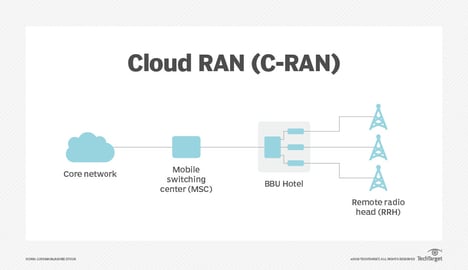
- Mobile operators can unlock new value from existing 5G assets by embedding AI into radio access networks for faster and more cost-efficient service delivery.
- Cloud Computing
- Edge and cloud platforms become increasingly relevant as AI-powered network intelligence requires scalable processing, data orchestration, and low-latency analytics.
- Connected Devices
- IoT ecosystems benefit from more responsive mobile infrastructure that supports higher device density, consistent performance, and future data-intensive applications.