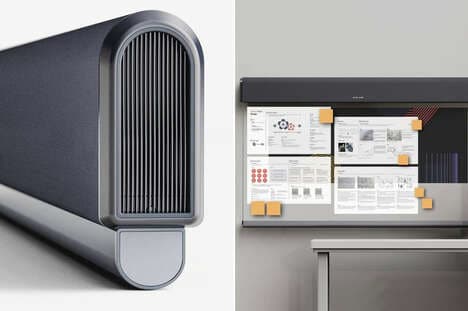
Otto Ng, an architect and technologist from the University of Toronto's RAD (Responsive Architecture at Daniels) program, has developed an interesting adaptable design called Wallbots, a kinetic wall system that is responsive to different living spaces.
Using electronic and kinetic systems, Wallbots can configure and reconfigure itself to better suit a person's changing needs. The wall system is mobile and user-responsive, adapting itself to changing real-time data, such as the weather, a person's social network profile or the person's behavior.
Designed with an origami-like skin, Wallbots can stretch from 1 meter to 1.5 meters and communicate with each other via a wireless connection. Each of the Wallbots can navigate itself freely on wheels or attach to another Wallbot via an electromagnetic mechanism with infra-red positioning feedback, describes the designer's site.
What's Driving This Trend
- Responsive Wall Systems
- Wallbots showcases the potential for adaptable and responsive environments.
- Kinetic Design
- The use of electronic and kinetic systems in design allows for dynamic and customizable spaces.
- Real-time Data Adaptation
- The integration of real-time data enables responsive changes based on factors such as weather, social network profiles, and personal behavior.
Who This Affects Most
- Architecture and Design
- The architecture and design industry can explore the possibilities of developing responsive wall systems like Wallbots.
- Home Automation
- The home automation industry can leverage kinetic design principles to create adaptable living spaces.
- Smart Technology
- The smart technology industry can incorporate real-time data adaptation to enhance user experiences and personalization.