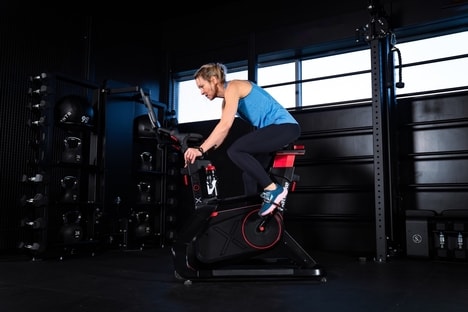

Wahoo Fitness has announced a significant evolution of its software platform with the introduction of the Wahoo App, which now functions as a connected training ecosystem that consolidates insights, workouts, and performance data across both cycling and running. This effectively moves beyond the company's traditional hardware focus to offer a more integrated digital experience.
The Wahoo App introduces a three-tier subscription model—Base, which is included with compatible hardware, as well as Core for advanced metrics, and Pro for personalized workout recommendations and a comprehensive library. The Wahoo App also boasts new running-specific capabilities such as Three-Dimensional Pace (3DP), which profiles threshold, maximal aerobic, and anaerobic capacity in a manner analogous to the cycling-focused Four-Dimensional Power (4DP) system. It has expanded third-party compatibility through a recent integration with COROS.
Image Credit: Wahoo Fitness
Why This Trend Is Growing
- Unified Training Platforms
- Fitness brands are turning fragmented workout tools into centralized ecosystems where multi-sport data, coaching, and device insights create stickier digital relationships.
- Tiered Performance Subscriptions
- Subscription layers around analytics, recommendations, and content libraries are reshaping hardware businesses into recurring-revenue services with deeper personalization potential.
- Cross-sport Biometric Modeling
- Advanced profiling systems for cycling and running signal new openings for sport-specific performance intelligence that adapts training across disciplines.
Industries Being Reshaped
- Connected Fitness
- Integrated app ecosystems are expanding the role of connected fitness beyond devices into software-led coaching, analytics, and community experiences.
- Wearable Technology
- Broader third-party compatibility highlights how wearable platforms can become data gateways for richer training insights and interoperable health ecosystems.
- Sports Analytics
- Multi-dimensional performance metrics are creating demand for more precise athletic modeling that supports personalized programs and competitive benchmarking.