


Cool Hunter — January 1, 2006 — Art & Design
References: thedwellhome
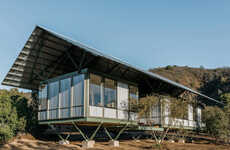
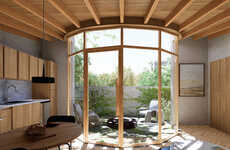
This is absolutely awesome.
From the Dwell Home website:
Dwell Home Response to: What happens if you ask a manufactured home builder for an architect:
Well, for lots of reasons involving everything from labor unions to mortgage financing, but certainly not from a lack of interest on the part of architects, designers, and other creative thinkers who've long been intrigued by the potential of this oft-maligned building technique.
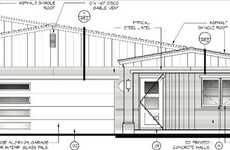
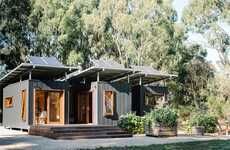
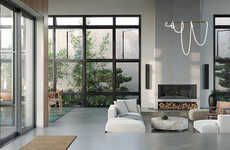
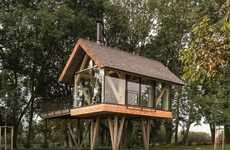
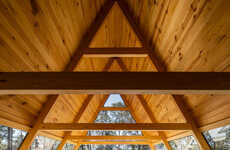
Implications - In fact, it doesn't even take an architectural expert to appreciate just how awesome the Dwell House is. If I had cash to spare, I would certainly want to emulate a similar design to this one with my home!
From the Dwell Home website:
Dwell Home Response to: What happens if you ask a manufactured home builder for an architect:
Well, for lots of reasons involving everything from labor unions to mortgage financing, but certainly not from a lack of interest on the part of architects, designers, and other creative thinkers who've long been intrigued by the potential of this oft-maligned building technique.
Implications - In fact, it doesn't even take an architectural expert to appreciate just how awesome the Dwell House is. If I had cash to spare, I would certainly want to emulate a similar design to this one with my home!
Trend Themes
1. Pre-fab Houses - The trend of pre-fabricated houses presents an opportunity for innovative building techniques and cost-effective solutions in the housing industry.
2. Architectural Design - The trend of incorporating architectural expertise in home design opens doors for unique and aesthetically appealing residential structures.
3. Creative Thinking - The trend of embracing creative thinking in building techniques allows for unique and innovative designs in the construction industry.
Industry Implications
1. Construction - The construction industry can take advantage of pre-fab house trends by offering efficient and customizable building solutions.
2. Real Estate - The real estate industry can capitalize on the architectural design trend by offering unique and visually striking homes to potential buyers.
3. Home Decor - The home decor industry can tap into the creative thinking trend by offering innovative and aesthetically pleasing products that complement architecturally designed homes.
6.3
Score
Popularity
Activity
Freshness