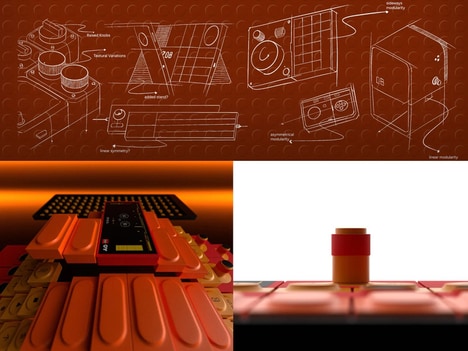

Roland’s ‘Project Lydia’ is an experimental sampling pedal that explores how neural processing can reshape the way sounds are captured and played back. Rather than sticking to traditional sampling, it introduces a system that recreates and evolves sounds in more dynamic ways.
At the core of the design is a neural sampling approach, where the pedal doesn’t just record audio but learns from it. Once captured, sounds can be reshaped, morphed, or extended beyond their original form, giving players more flexibility than a standard loop or sample playback setup.
The sampling pedal is aimed at guitarists and sound designers looking for something less predictable. Instead of replaying exact recordings, it opens the door to variations that respond differently depending on how the input is used.
It shifts the idea of sampling from playback to interpretation, where the device becomes part instrument and part processor rather than just a recording tool.
Image Credit: Roland
Key Themes Behind This Trend
- Neural Audio Sampling
- AI-based learning transforms sampled sounds into evolving source material, creating room for instruments that interpret audio rather than simply replay it.
- Generative Performance Pedals
- Real-time variation and responsive playback make compact effects hardware a platform for unpredictable composition, sound design, and live experimentation.
- Adaptive Sound Modeling
- Machine-learned audio textures expand traditional looping into dynamic synthesis, signaling new value in tools that personalize sound behavior around player input.
Where This Applies
- Music Technology
- Intelligent instrument hardware is reshaping the competitive landscape by blending effects, sampling, and generative processing into unified creative devices.
- Audio Production
- Studio workflows gain new possibilities from neural processors that turn recorded material into flexible textures for scoring, sound design, and post-production.
- Live Performance Equipment
- Performance gear with adaptive audio engines introduces differentiated stage experiences where musicians can produce evolving sounds without relying on fixed backing tracks.