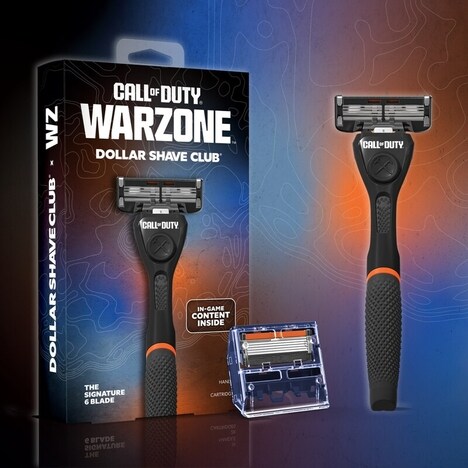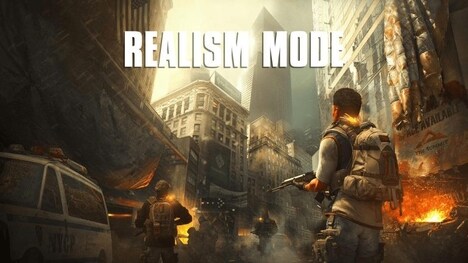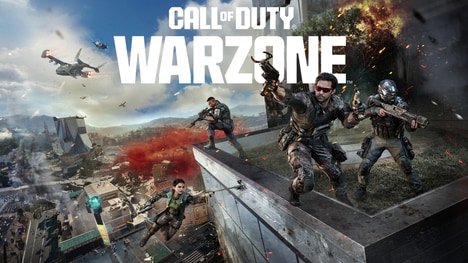
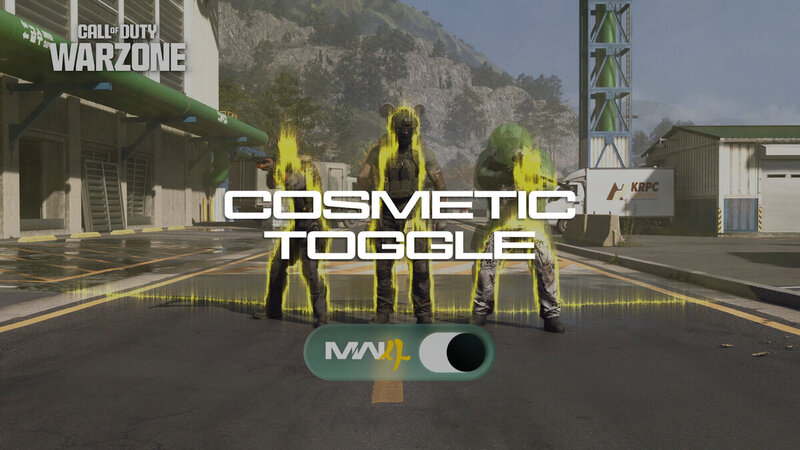
Call of Duty is preparing an Operator Skin toggle for Warzone that lets players hide crossover character looks and keep matches visually closer to Modern Warfare 4. Built into the game's Warzone integration, the setting gives each person a personal view without changing what everyone else uses.
When switched on, the filter shows only Modern Warfare 4 operators, so firefights read less like a mash-up of soldiers, celebrity cameos and Beavis and Butt-Head skins. It works only in Warzone and does not revive the dropped plan to carry Black Ops 6 content into Black Ops 7.
For consumers, this means a massive live-service shooter can finally bend its visual tone to personal taste instead of locking everyone into the same cosmetic pileup. It also gives future carry-forward plans a more practical compromise when paid skins start clashing with a game's setting.
Image Credit: Call of Duty
Key Themes Behind This Trend
- Player-controlled Aesthetics
- Personalized visual filters create room for live-service games to balance individual immersion preferences with broad cosmetic monetization systems.
- Contextual Cosmetic Visibility
- Selective skin rendering points to new platform features where branded content remains purchasable while becoming adjustable to match tone, setting, or player comfort.
- Immersion-preserving Monetization
- Custom display controls suggest a path for reducing backlash against crossover content without weakening the revenue potential of premium digital goods.
Where This Applies
- Video Games
- Live-service publishers can treat cosmetic visibility as a flexible layer that separates player expression from shared gameplay readability.
- Digital Entertainment
- Audience-controlled presentation settings open possibilities for franchises to merge licensed characters, fandom content, and canonical experiences more smoothly.
- Virtual Goods
- Paid cosmetic markets gain resilience when ownership and on-screen visibility are decoupled through configurable personalization tools.