


The Lifebook Concept Sources Processing Power from Mobile Gadgets
Michael Hines — January 18, 2012 — Tech
References: prashantchandra & yankodesign
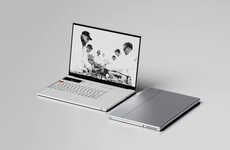
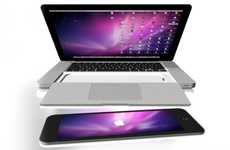
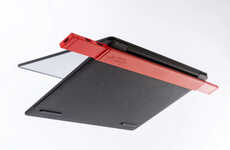
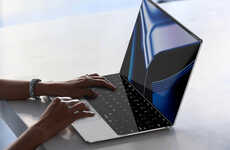
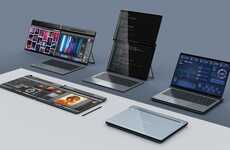
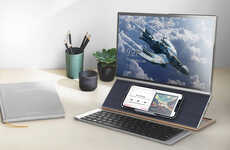
Prashant Chandra's Fujitsu Lifebook concept may be the future of the laptop. The Indian designer's conceptual computer meshes with tablets and cellphones to provide a boost of power and to make document-sharing easier. This concept computer isn't just designed to work with other mobile devices, it actually depends on them to function. The Lifebook concept doesn't come with a keyboard, but instead relies upon a tablet docked in the center to become its virtual keyboard.
The docked tablet does more than let you type; once docked, the tablet becomes a keyboard and shares its processing power and information with the laptop. When a smartphone is connected to the Lifebook concept it also shares its hardware and processing power. High-powered hybrid gadgets are the norm rather than the exception nowadays and it may be just a matter of time before laptops begin integrating with mobile gadgets.
The docked tablet does more than let you type; once docked, the tablet becomes a keyboard and shares its processing power and information with the laptop. When a smartphone is connected to the Lifebook concept it also shares its hardware and processing power. High-powered hybrid gadgets are the norm rather than the exception nowadays and it may be just a matter of time before laptops begin integrating with mobile gadgets.
Trend Themes
1. Mobile Device Integration - There is an opportunity to continue exploring how laptops and mobile devices can more seamlessly integrate with each other for a more efficient user experience.
2. Tablet/laptop Docks - Tablet/laptop docks are becoming more commonplace, indicating a growing need for hybrid devices that can easily switch between different modes of use.
3. Collaboration Tools - As laptops continue to rely on mobile devices for processing power and information, there is a growing need for collaboration tools that can streamline document-sharing between different devices.
Industry Implications
1. Consumer Electronics - Consumer electronics companies have an opportunity to create more integrated laptop and mobile device products that offer a more seamless user experience.
2. Information Technology - As laptops become more integrated with mobile devices and rely on them for processing power, IT professionals have an opportunity to develop tools that can help manage and streamline these different devices.
3. Office Supplies - Office supply companies have an opportunity to develop collaboration tools that can help bridge the gap between different devices and make document-sharing more efficient.
5.5
Score
Popularity
Activity
Freshness