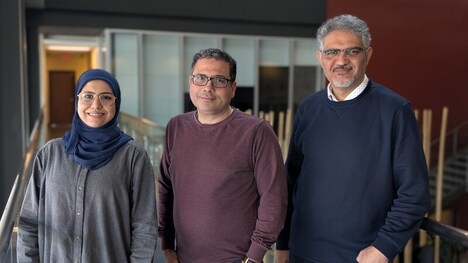
Teams from Peter the Great St. Petersburg Polytechnic University, East China Normal University, and the Indian Institute of Technology Roorkee are joining forces to create a software-based solution for infrastructure upkeep that has the potential to save cities time, resources and money.
One of the problems with maintaining urban infrastructure is that the need for a repair is often detected too late, meaning that more resources need to be poured into the project on a shorter timeline. The partnering universities are collaborating on software that can create highly detailed 3D models of structures within an urban center, making it much easier for any deterioration to be detected.
As well as being useful for helping officials spot repair opportunities in advance, the laser scanning software also has the potential to preserve detailed records of historical buildings. This data will be of particular use when it comes to repairing structures following damaging disasters such as storms and earthquakes.
What Makes This Trend Stand Out
- Infrastructure-upkeep Software
- Creating software-based solutions for infrastructure upkeep to save time, resources, and money.
- 3d-modeling Technology
- Developing software that can create highly detailed 3D models of urban structures for better detection of deterioration.
- Historical-building Preservation
- Utilizing laser scanning software to preserve detailed records of historical buildings and aid in post-disaster repairs.
Sectors Adopting This
- Construction
- Opportunity for construction companies to adopt infrastructure-upkeep software for more efficient maintenance and repairs.
- Engineering
- Engineering firms can leverage 3D-modeling technology to enhance their ability to detect and address infrastructure deterioration.
- Heritage Preservation
- Heritage preservation organizations can benefit from laser scanning software for better historical building preservation and post-disaster repairs.