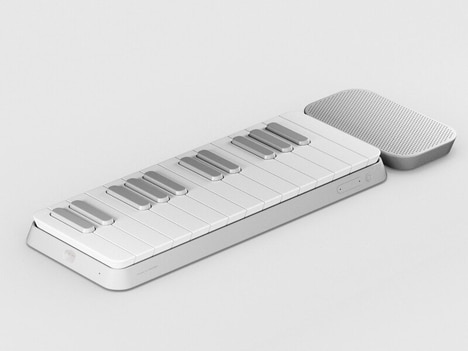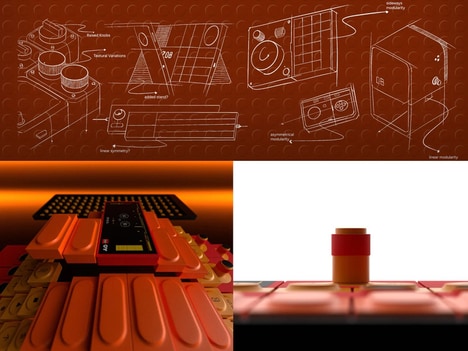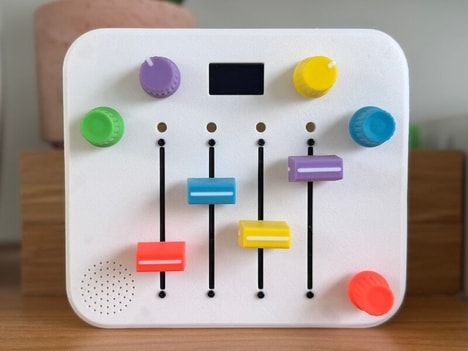
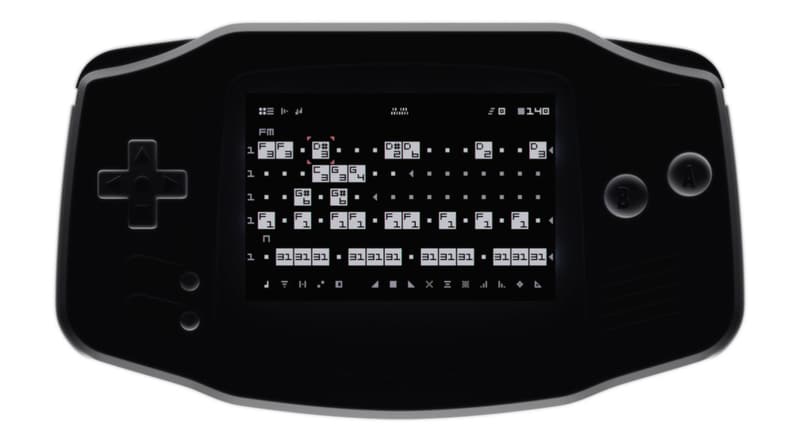
The ‘Fors FMS’ is a compact groovebox that pulls inspiration from classic handheld gaming sound, especially the kind of tones associated with older consoles.
The setup is built around a stripped-down FM engine with a grid-based interface, so sound shaping happens quickly and visually instead of through deep menus. The result has that slightly digital, lo-fi edge that is increasingly valued in some music circles, while still giving enough flexibility to move between tones without getting stuck.
The groovebox runs as a lightweight digital tool, which means it can be used across devices without dedicated hardware. It’s suited for sketching loops or experimenting with sequences without needing a full production setup.
Ultimately, the ‘FMS’ groovebox is designed to be playful in its use rather than a merely technical exercise, allowing creators to tweak, experiment and create unique sounds.
Image Credit: Lo-Bit Club
What's Driving This Trend
- Retro Game Synthesis
- Classic handheld console tones are becoming a distinctive palette for modern creators, opening space for nostalgic sound engines that feel playful, compact, and culturally recognizable.
- Visual Sound Design
- Grid-based interfaces reduce the complexity of synthesis by making tone shaping more immediate, creating room for tools that prioritize experimentation over technical depth.
- Lightweight Music Creation
- Device-agnostic digital grooveboxes support quick loop sketching outside traditional studios, reflecting demand for portable production workflows with minimal setup friction.
Who This Affects Most
- Music Technology
- Software-based instruments with simplified FM engines are reshaping production by blending professional flexibility with accessible, game-inspired creative interfaces.
- Digital Audio Workstations
- Compact sequencing and synthesis tools can expand the role of DAW ecosystems by serving as fast idea-generation layers for musicians and producers.
- Gaming Culture
- The revival of vintage console aesthetics in music tools highlights crossover potential between interactive entertainment nostalgia and contemporary audio creation.