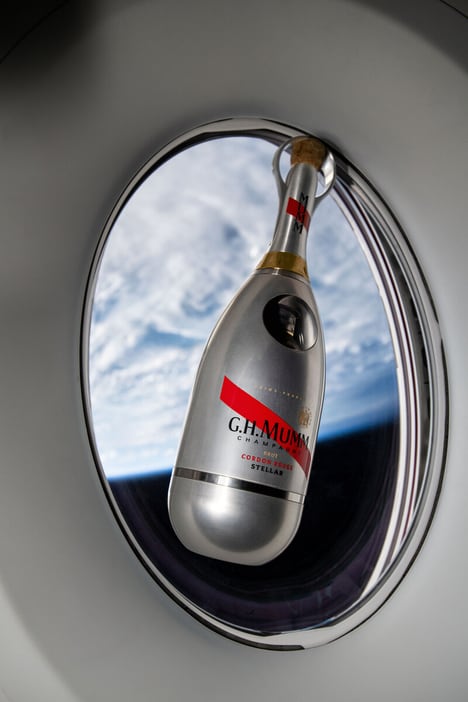
We don't actually have breweries in space, yet. What we do have, however, are labs on the International Space Station that grow barley - one of the ingredients in beer. The Russians have taken this barley and along with the Japanese brewery, Sapporo, have made the first batch of space beer. Some of the 100 liters of brew will be taste-tested by 30 lucky people. The rest will probably be “researched.â€
Implications - Tapping into the resources of outer space has been a priority since the first trip to the outerworlds. Whether the taste is truly different or not, the marketability of a product like this surpasses most alcoholic beverages. What is perhaps more of a gimmick and a sales tactic than a scientific advancement, space beer is sure to fly off the shelves when it hits liquor stores.
What Makes This Trend Stand Out
- Space Beer
- Space beer, made with barley grown in labs on the International Space Station, presents a disruptive innovation opportunity in the beverage industry.
- Outer Space Resources
- Tapping into the resources of outer space, such as barley grown in space labs, presents a disruptive innovation opportunity in various industries.
- Unique Alcoholic Beverages
- The marketability of unique alcoholic beverages like space beer presents a disruptive innovation opportunity in the beverage industry.
Sectors Adopting This
- Beverage Industry
- The beverage industry can explore the disruptive innovation opportunity of creating space beer, made with barley grown in space labs.
- Space Research and Technology
- The space research and technology industry can explore the disruptive innovation opportunity of tapping into the resources of outer space, such as growing barley in space labs.
- Retail Industry
- The retail industry can explore the disruptive innovation opportunity of selling unique alcoholic beverages like space beer, which has marketability beyond traditional alcoholic beverages.