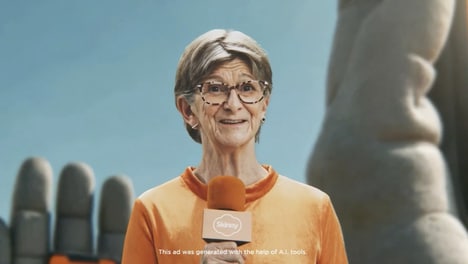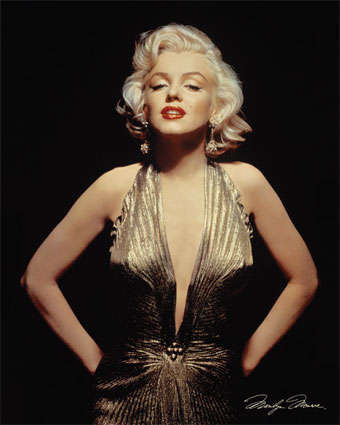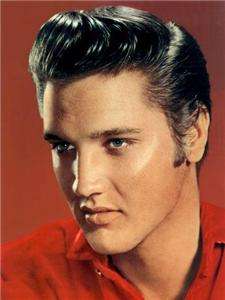
With all the unfortunate happenings lately with celebrities like Michael Phelps and Chris Brown, marketers are considering recruiting deceased iconic brand ambassadors instead of mega stars who may turn on them without notice.
“You're not going to catch Elvis in a sex scandal, or Albert Einstein's not going to hit his girlfriend.â€
Then again, do we really know for sure that Elvis is dead?
Implications - It was discovered that only seven percent of the ads that aired during the 2009 celeb-filled Grammy Awards featured any celebrities. Using a celebrity is risky for an advertising agency, but celebs also bring in a lot of profit. They just have to decide if it is worth the risk.
What's Driving This Trend
- Recruiting Deceased Brand Ambassadors
- Marketers are considering using deceased icons as brand ambassadors to avoid the risk of working with living celebrities.
- Decrease in Celebrity Endorsements
- Only seven percent of ads during the 2009 Grammy Awards featured celebrities, suggesting a decline in celebrity endorsements.
- Balancing Risk and Profit
- Advertising agencies must weigh the potential profit brought in by celebrities against the risk involved in working with them.
Who This Affects Most
- Advertising
- The advertising industry can explore opportunities in utilizing deceased icons as brand ambassadors to mitigate the risk associated with working with living celebrities.
- Entertainment
- The entertainment industry may experience a decrease in celebrity endorsements, leading to a shift in marketing strategies and the exploration of alternative spokespersons.
- Consumer Goods
- Consumer goods companies need to evaluate the balance between the potential profit generated by celebrity endorsements and the potential risks involved.