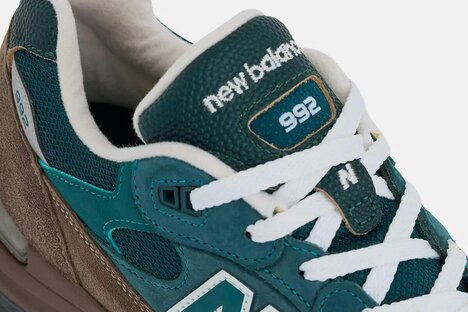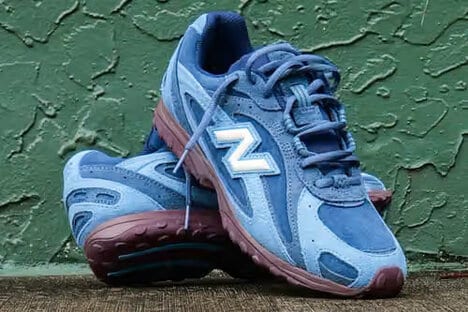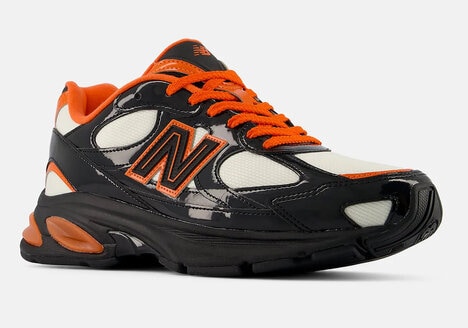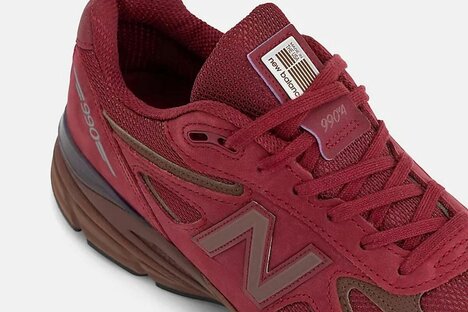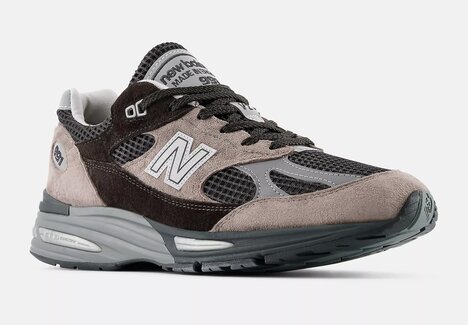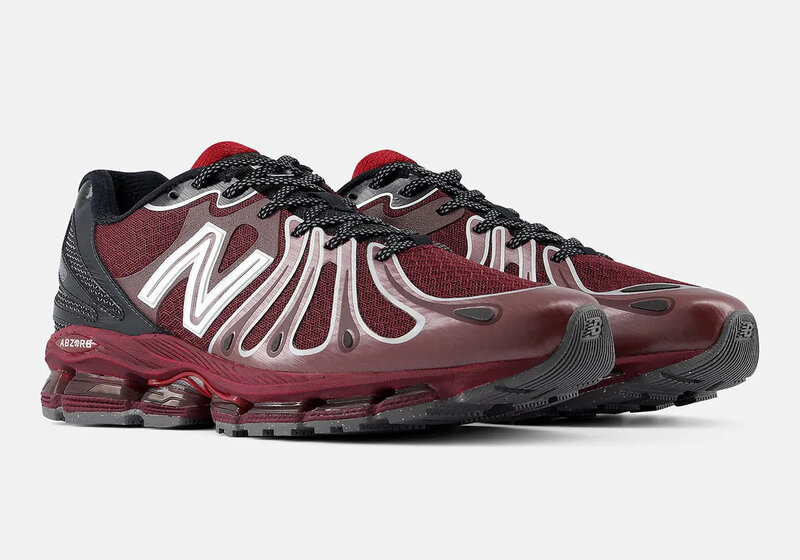
New Balance prepared the ‘1890 Mulled Wine’ for men, using dark red across the upper and midsole for a winter-ready palette. The shoe keeps its layered panels and visible ABZORB cushioning, so buyers get the same retro-tech profile in a colorway for colder outfits.
Silver trim on the N logos and the edges of the forefoot overlays breaks up the red, while black leather and mesh at the heel add contrast. A dark gray outsole with light paint flecks finishes the base. It is set to arrive in the U.S. in 2026 through New Balance for $180 in men’s sizes.
New Balance shows how a $180 price can put the buying decision on finish rather than a changed build, letting the brand refresh the line without remaking the shoe, while the mulled-wine palette gives the model a holiday window ahead of Christmas market season.
Image Credit: Kicksfinder
Key Themes Behind This Trend
- Seasonal Colorway Drops
- Limited seasonal palettes create fresh purchase moments for existing footwear silhouettes without requiring major product redesigns.
- Retro-tech Footwear
- Nostalgic runner profiles paired with visible cushioning systems highlight demand for shoes that blend heritage styling with functional comfort cues.
- Holiday Wardrobe Sneakers
- Winter-toned sneakers position casual footwear as outfit-driven seasonal merchandise tied to gifting periods and colder-weather styling.
Where This Applies
- Athletic Footwear
- Established sneaker brands can extend product lifecycles by using material contrast, color storytelling, and archival shapes to renew consumer interest.
- Fashion Retail
- Retailers gain merchandising flexibility from seasonal sneaker releases that support curated holiday assortments and premium casualwear positioning.
- Consumer Goods
- Color-led product refreshes illustrate how premium pricing can be supported through aesthetic differentiation rather than structural innovation alone.