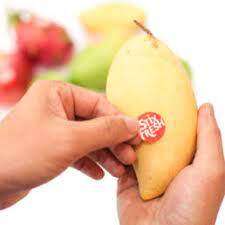
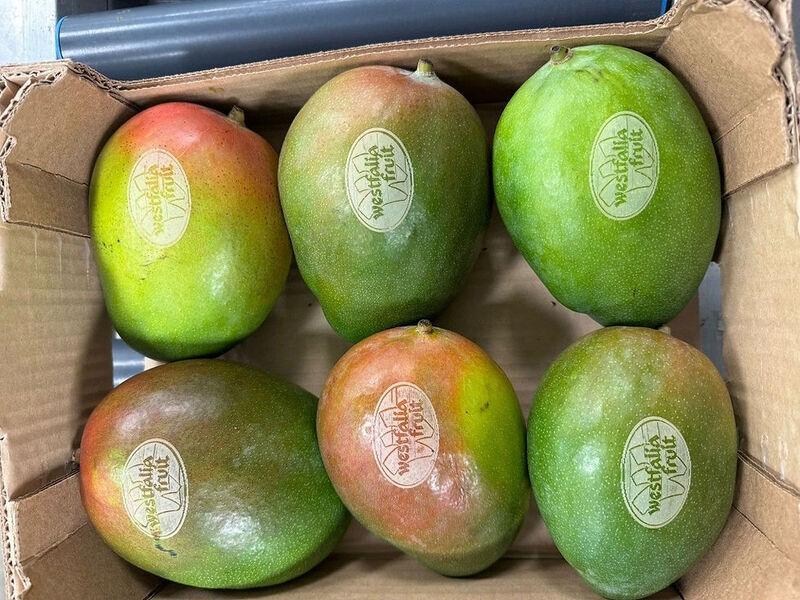
Westfalia Fruit has announced a new initiative that will see the brand helping to reduce plastic waste by eliminating use of stickers on its mangoes that will reportedly save an estimated 10-million plastic stickers each year.
The initiative will see the brand utilizing laser etching technology to imprint details onto the skin of the mango much in the same way a tattoo works. This will help to ensure all essential information is offered including origin, product reference and branding, while allowing the fruit to be easily discarded without having to remove a sticker.
Head of Operations for Central Europe Mathijs Benard spoke on the Westfalia Fruit initiative saying, "The introduction of laser etching, which is almost like a tattoo on the mango, not only makes the fruit stand out in-store but also aligns with our commitment to sustainability.”
What's Driving This Trend
- Laser-etched Produce
- Laser etching on produce eliminates the need for plastic stickers, presenting a sustainable and eco-friendly labeling alternative.
- Sustainable Branding
- Brands adopting environmentally friendly practices, such as laser etching, appeal to eco-conscious consumers and enhance brand reputation.
- Waste Reduction Technologies
- Innovative technologies like laser etching help significantly reduce plastic waste in the food supply chain.
Who This Affects Most
- Agriculture
- The agriculture sector can benefit from laser etching by minimizing waste and improving sustainability practices.
- Food Packaging
- Food packaging industries are challenged to adapt by creating labeling solutions that reduce environmental impact.
- Retail
- Retailers can leverage laser-etched produce as a unique selling point to attract environmentally conscious shoppers.