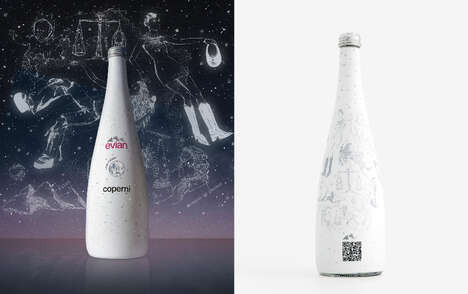
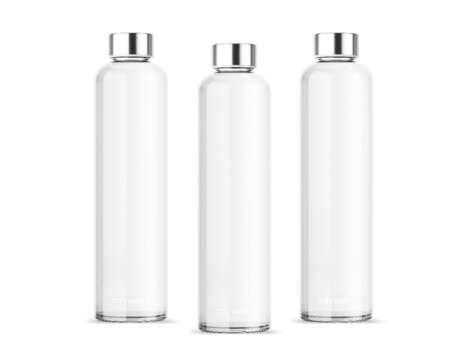
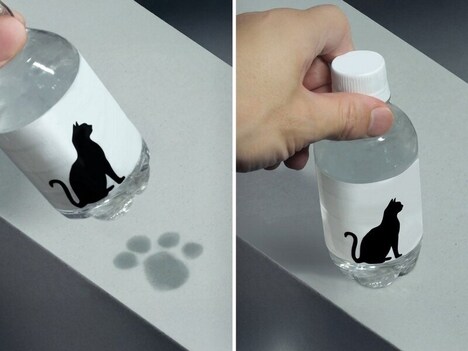
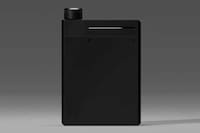
The Save Water bottle by Ambroise Maggiar reminds water drinkers to conserve and help the environment.
Inside the glass bottle is a round metal piece with the words “Save Water.â€
When the bottle is filled, the “Save Water†message appears bigger and magnified. Each day, the words will darken and become more predominant, reminding you to use less water.
Implications - Adding eco-friendly elements to a functional product is one way in which businesses can effectively stand out from the crowd. Concern for the environment is increasing among consumers who desire to live more green lifestyles, so any type of branding that addresses this concern will catch consumers' attention over competitors who ignore it.
Key Themes Behind This Trend
- Eco-friendly Branding
- Incorporating eco-friendly elements into products can help businesses differentiate themselves from competitors and attract environmentally-conscious consumers.
- Increasing Consumer Concern for the Environment
- Consumers' growing desire to live more sustainable lifestyles presents opportunities for businesses to meet this demand with innovative and eco-conscious products.
- Green Lifestyles
- The trend towards adopting green lifestyles opens up avenues for businesses to create products that align with environmentally-friendly values and practices.
Where This Applies
- Beverage Packaging
- The beverage packaging industry can explore opportunities to create sustainable and eco-friendly bottles that promote water conservation and resonate with environmentally-conscious consumers.
- Design and Branding
- The design and branding industry can innovate by incorporating eco-friendly elements into their designs, helping clients create products that appeal to the growing market of environmentally-conscious consumers.
- Consumer Goods
- The consumer goods industry can tap into the increasing demand for sustainable products by developing and marketing items that encourage water conservation and reflect consumers' eco-friendly aspirations.