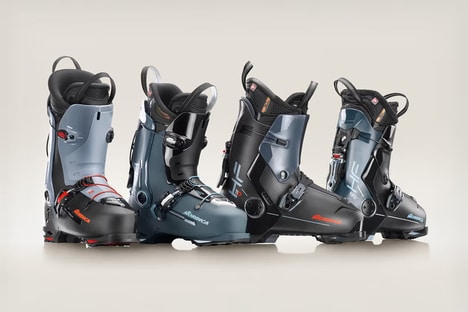
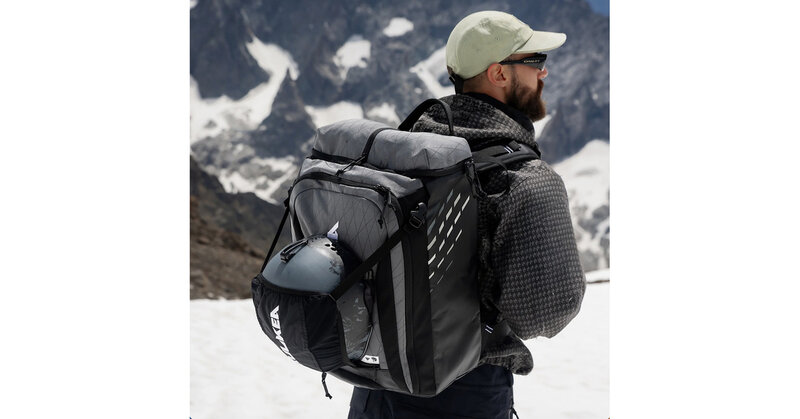
Kulkea is advancing heated boot backpacks with the Thermal Kart, a 40L travel bag designed to warm ski boots while organizing essential mountain gear. Its heated compartment uses thermal conduction to warm boot shells through direct contact, with three temperature settings reaching up to 140 degrees Fahrenheit. The carry-on-friendly backpack also accommodates apparel and accessories, while a deployable external sling provides dedicated helmet storage. Waterproof tarpaulin panels, recycled ripstop polyester and reinforced components support durability during ski travel.
For Kulkea, combining heating technology with a more compact travel format extends its boot-warming portfolio to skiers who prioritize portability. The Thermal Kart provides an alternative to the larger Thermal Trekker while maintaining the brand’s specialized heating capabilities. Dual wall and automobile power options also support use across different travel stages, helping Kulkea position the backpack as both a transportation solution and a pre-ski preparation tool.
Image Credit: Kulkea
What Makes This Trend Stand Out
- Heated Gear Storage
- Integrated warming compartments create premium utility in travel products by turning storage time into performance preparation for outdoor athletes.
- Carry-on Adventure Equipment
- Compact, airline-friendly formats point to growth in specialized sporting goods that preserve technical features without oversized luggage burdens.
- Multi-stage Power Compatibility
- Dual home and vehicle power options expand product relevance across transit moments, supporting more seamless use between lodging, cars and activity sites.
Sectors Adopting This
- Ski Equipment
- Performance-focused accessories are evolving beyond core hardgoods as brands embed comfort, readiness and gear-care functions into adjacent products.
- Travel Bags
- Technical luggage designs are becoming more activity-specific, blending organization, durability and powered features for niche traveler needs.
- Outdoor Apparel
- Material innovation using waterproof panels, recycled textiles and reinforced construction signals opportunity for sustainable durability in harsh-weather gear ecosystems.