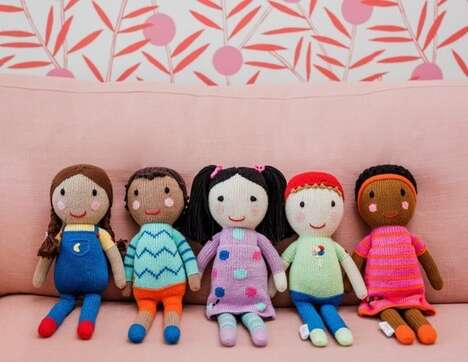
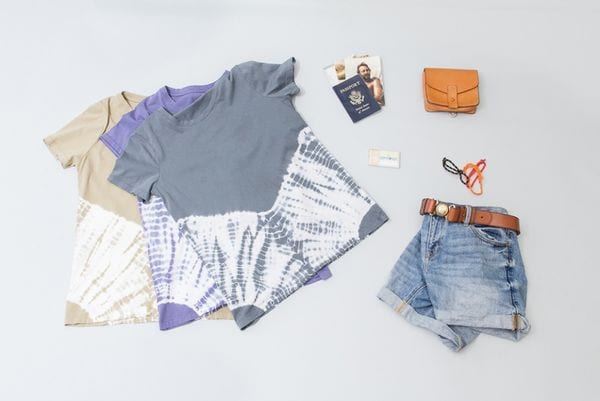
Developed by Kiej de los Bosques, the Wakami brand is part of a social enterprise that markets products from rural communities in Guatemala. Wakumi products are the result of a collaboration between designers and artisan groups who wish to share the Guatemalan experience with the rest of the world.
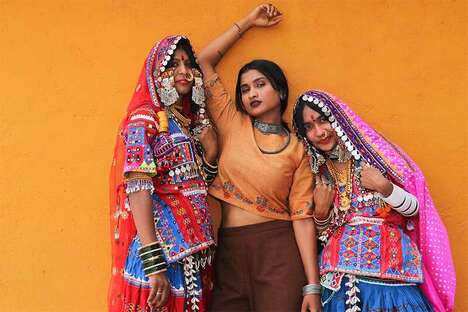
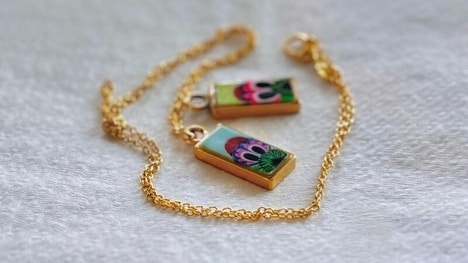
From bracelets to woven dolls, the products are created by Guatemalan women who come from rural communities and whose passion for their ancestral heritage is expressed through their artwork. What were once impoverished areas are now prosperous communities due to the equal distribution of profits towards those who make the commodities. Wakumi encourages people to become leaders of change within their community.
Contact Information
Wakami website
Wakami on Facebook
Wakami on Twitter
What's Driving This Trend
- Social Enterprise for Rural Communities
- Opportunity for businesses to collaborate with disenfranchised communities to create an equitable and sustainable economy.
- Ancestral-inspired Products
- Possible to design high-quality products that celebrate one's culture, tradition, and heritage.
- Empowering Marginalized Women
- Opportunity for businesses to collaborate with women in underserved regions to create jewelry and accessories that benefit local economies and build skills and self-esteem among women.
Who This Affects Most
- Fashion
- Fashion industry can learn from Wakami how to create a more equitable and sustainable supply chain by collaborating with disenfranchised communities.
- Social Enterprise
- Social Enterprise sectors can benefit from collaboration with marginalized communities and women to develop innovative products and build a more equitable economy.
- Fair Trade
- Fair Trade industry can utilize the Wakami model to collaborate with artisans and communities to develop high-quality products that celebrate their culture and traditions while benefiting the local economy.