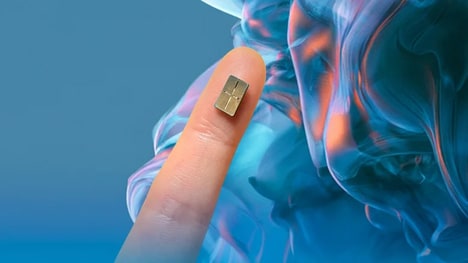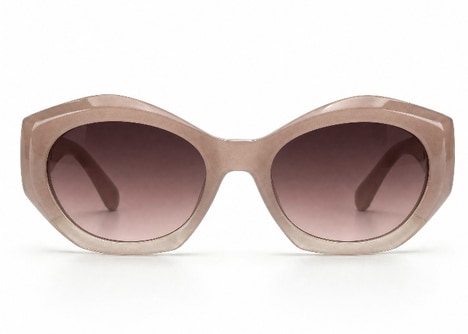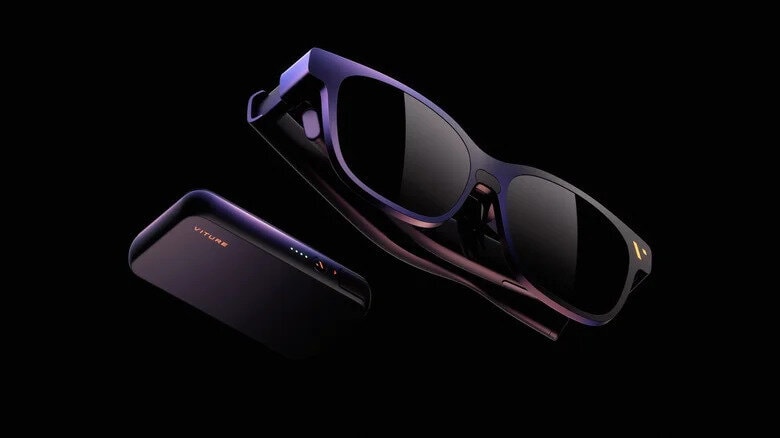
The Viture Pro 2 mark the company's fifth anniversary with a redesigned pair of XR smartglasses focused on comfort and display quality. Weighing 63 grams, the glasses are 20 percent lighter and 16 percent thinner than the previous Pro model. Updated temple padding, expanded nosepad adjustments, and an included lens shade improve fit, while UltraClarity 3.0 introduces up to 1,600 nits of brightness, a refined field curvature, individually adjustable 0 to -5.00D diopters, Sony micro-OLED displays, a 50-degree field of view, 1920 × 1080 resolution per eye, and a 120Hz refresh rate.
Viture also introduced the Mobile Dock Mini, a compact companion accessory with a built-in 10,000mAh battery. Around 34 percent smaller and 30 percent lighter than its predecessor, the dock powers connected devices while supporting the Nintendo Switch 2 through a detachable magnetic adapter that also functions as a standalone display hub.
Image Credit: Viture
What Makes This Trend Stand Out
- Lightweight XR Wearables
- Ultra-light smartglasses with improved ergonomics signal a shift toward all-day spatial computing devices that blend entertainment, productivity, and personal displays.
- Micro-oled Personal Screens
- High-brightness micro-OLED displays with adjustable diopters create new possibilities for private, portable viewing experiences across gaming, work, and media consumption.
- Modular Display Accessories
- Compact battery docks and magnetic adapters expand the utility of wearable displays by turning connected devices into more flexible multi-platform entertainment hubs.
Sectors Adopting This
- Consumer Electronics
- Thinner, lighter XR hardware highlights an emerging product category where comfort and visual fidelity can differentiate next-generation personal devices.
- Gaming Hardware
- Portable display hubs designed for consoles reflect growing demand for immersive gaming setups that are less dependent on traditional TVs or monitors.
- Augmented Reality
- Refined optics, wider fields of view, and prescription-style adjustments point to more accessible AR and XR experiences for mainstream users.