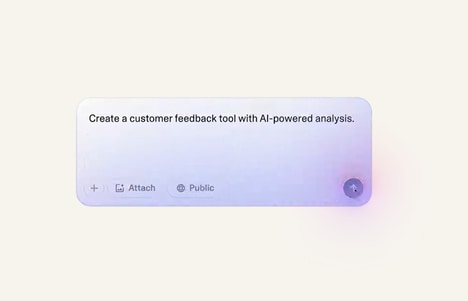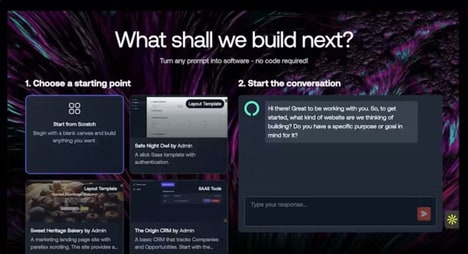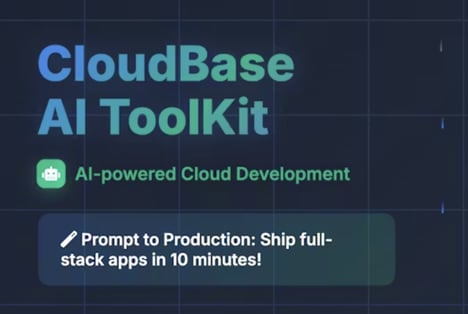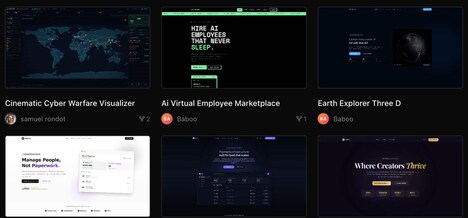
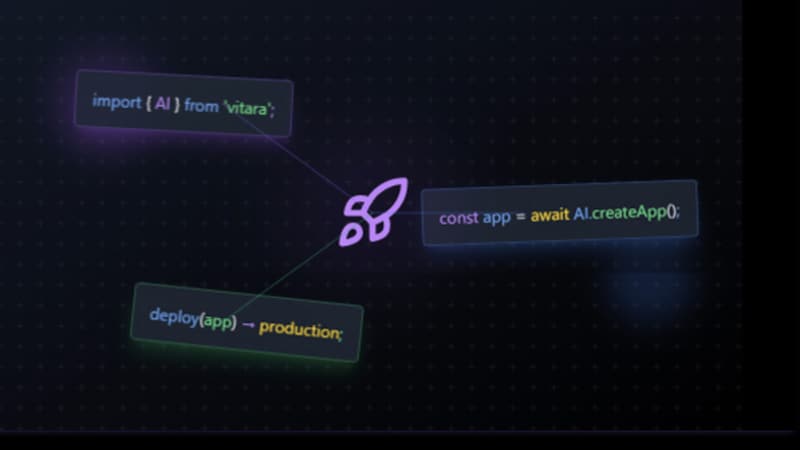
Vitara AI is an AI-powered app builder that enables users to create full-stack applications using natural language prompts instead of code. It streamlines the development process by generating working applications that can be edited, downloaded, or deployed in minutes.
Its designed for founders, makers, and developers who want to move quickly from an idea to a functional product. Users can refine generated apps without building everything from scratch, significantly reducing development time.
Vitara AI combines rapid prototyping with deployment-ready output, making it suitable for validating startup ideas, creating internal tools, or launching web applications with minimal technical effort. Its workflow removes many of the barriers associated with traditional software development. Vitara AI transforms app creation into a prompt-driven experience, helping users turn concepts into deployable products faster than ever.
Image Credit: Vitara AI
Why This Trend Is Growing
- Prompt-based Development
- Natural language interfaces are reshaping software creation by turning plain text instructions into functional applications, opening space for faster experimentation and lower technical barriers.
- No-code Acceleration
- AI-enhanced no-code platforms compress the path from idea to launch, creating new potential for small teams to validate products without traditional engineering resources.
- Instant Product Prototyping
- Rapid generation of deployable applications supports more agile business testing, where concepts can become usable products before major investment decisions are made.
Industries Being Reshaped
- Software Development
- Automated full-stack generation introduces new competition for conventional development workflows by shifting routine coding tasks toward AI-assisted production.
- Entrepreneurship
- Founders gain access to faster product validation models as AI app builders reduce the cost, time, and expertise typically required to launch early-stage ventures.
- Enterprise Technology
- Internal tool creation becomes more accessible across business functions, enabling organizations to digitize workflows without relying exclusively on centralized IT teams.