Architects and engineers have learned a great deal about stability of structure from the anatomies of living things. The Vertebrae Staircase was specifically inspired by the spinal column of a massive whale; however, the idea behind its construction is more fundamental than that.
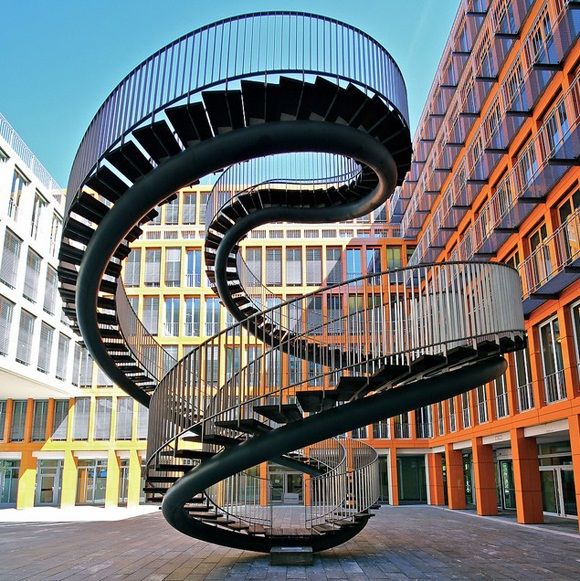
Looking at the wonderful forms of individual vertebra, Andrew Lee McConnell conceived a perfect module. It was tweaked slightly so that it would best facilitate the shaping of the desired spiral staircase. The intricate loosely L-shaped segments can be connected side-by-side to make up the safety railing, the stepping treads and the continuous helical rachis that holds the entire sculpture together.
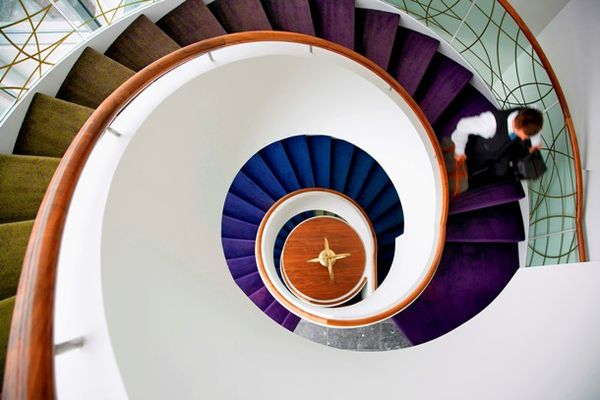
The ebony-finished Vertebrae Staircase would make a practical and aesthetically enthralling addition to any interior space. It can transform the inside of your home into something as grand as a museum or a gallery.
Why This Trend Is Growing
- Modular Construction
- There is an opportunity for disruptive innovation in the construction industry by implementing modular construction techniques inspired by the Vertebrae Staircase.
- Biomorphic Design
- Biomorphic design principles, inspired by the anatomies of living things like the whale spine, can be applied across various industries to create visually appealing and functional products.
- Structural Stability
- Exploring the stability of structure inspired by natural forms, such as the spinal column, presents opportunities for disruptive innovations in engineering and architecture.
Industries Being Reshaped
- Construction
- The construction industry can leverage the modular construction techniques used in the Vertebrae Staircase to streamline building processes and enhance efficiency.
- Furniture and Home Decor
- Incorporating biomorphic design elements into furniture and home decor products allows businesses to create unique and visually captivating pieces that stand out in the market.
- Engineering and Architecture
- Exploring new approaches to structural stability based on natural forms, like the spinal column, can lead to revolutionary advancements in engineering and architectural design.