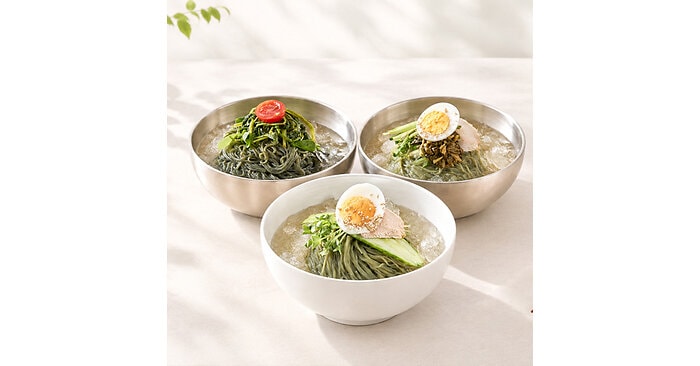
Flexible rice noodle formulations are being developed by South Korea's HanAll F&B to make noodle production less dependent on particular rice varieties. The company has filed a patent application for a manufacturing method intended to improve noodle separation and accommodate rice sourced from different Korean regions.
Over three years, HanAll F&B used approximately six tons of rice flour to investigate production challenges, including difficulties associated with increasing domestic rice content beyond 50%. The company continues refining its process and plans to extend its research into rice pasta and rice naengmyeon, a Korean cold noodle dish.
For food manufacturers, greater flexibility in rice selection could simplify ingredient sourcing and support wider use of regional agricultural products. HanAll F&B also aims to engage domestic and international buyers, assess consumer demand, and explore additional sales channels as its manufacturing technology develops.
Image Credit: HanAll F&B
What Makes This Trend Stand Out
- Flexible Rice Formulations
- Rice noodle recipes that work across multiple rice varieties introduce resilience into production systems and expand the commercial use of regional grain supplies.
- Regional Ingredient Optimization
- Localized rice sourcing becomes more practical when processing methods reduce dependence on uniform crop characteristics, creating new value for domestic agriculture.
- Alternative Grain Noodles
- Rice-based pasta and cold noodle extensions signal broader demand for gluten-free and culturally adapted staples made with adaptable manufacturing technologies.
Sectors Adopting This
- Food Manufacturing
- Manufacturers gain new pathways to stabilize noodle output while managing ingredient variability across suppliers and harvest conditions.
- Agricultural Supply Chain
- Greater compatibility with diverse rice inputs reshapes procurement models by linking regional growers more directly with processed food applications.
- Specialty Grocery
- Retail categories for premium, regional, and gluten-free noodle products benefit from scalable production methods that support differentiated shelf offerings.