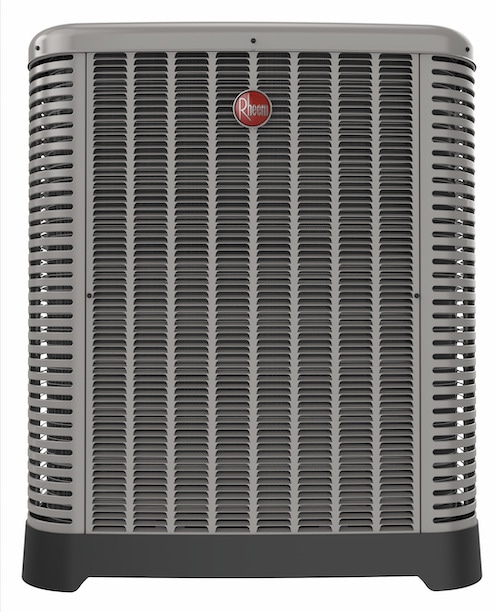
Rheem has introduced the Endeavor Line Classic Plus Series Top-Discharge Universal Heat Pump, model RP17AY. This is an ENERGY STAR-certified residential HVAC unit designed to provide both cooling and heating through a split-system cabinet configuration.
The Endeavor Line Classic Plus Series Top-Discharge Universal Heat Pump achieves cooling efficiencies of up to 17 SEER2 and heating efficiencies of 9.5 HSPF2. The model operates with R-454B refrigerant to meet modern environmental standards while delivering year-round temperature control. The unit incorporates variable-speed performance via a twin rotary compressor and inverter drive, allowing it to run between 35% and 100% capacity for more precise temperature and humidity management.
Homeowners seeking to replace aging equipment will appreciate the universal compatibility, as the unit pairs with nearly any existing R-454B system and requires minimal modifications for installation.
Image Credit: Rheem
What Makes This Trend Stand Out
- Universal Heat Pump Retrofits
- Compatibility-focused HVAC platforms reduce replacement friction for homeowners and create market space for standardized upgrade pathways across aging residential systems.
- Low-gwp Refrigerant Adoption
- R-454B-based equipment reflects a broader shift toward climate-compliant cooling technologies that can reshape product portfolios as environmental regulations tighten.
- Variable-speed Home Comfort
- Inverter-driven compressors enable more precise temperature and humidity control, positioning efficiency and comfort as differentiators in residential HVAC innovation.
Sectors Adopting This
- Residential HVAC
- Split-system heat pump advancements expand opportunities for higher-efficiency home heating and cooling products that fit into existing installation workflows.
- Home Renovation
- Equipment designed for minimal-modification replacement supports growing demand for energy upgrades within broader home improvement and modernization projects.
- Green Building
- Energy-certified heating and cooling systems strengthen the role of mechanical infrastructure in sustainable housing, electrification strategies, and emissions-conscious construction.