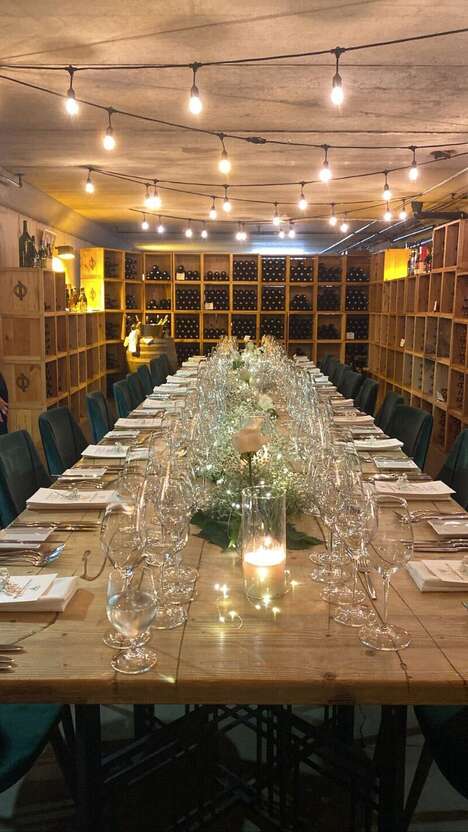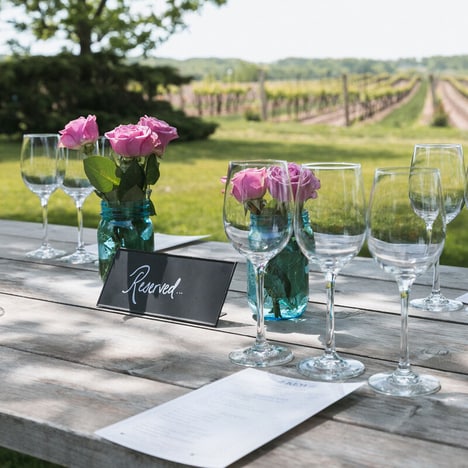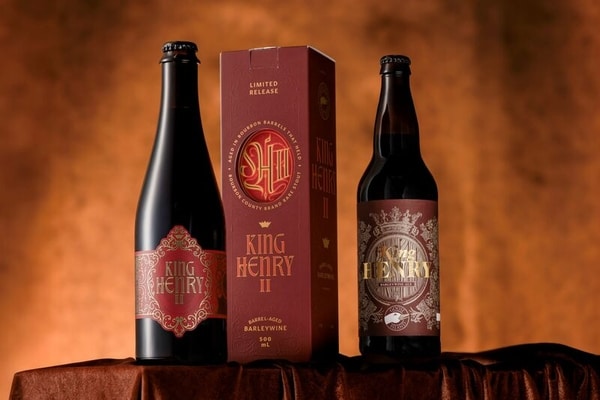
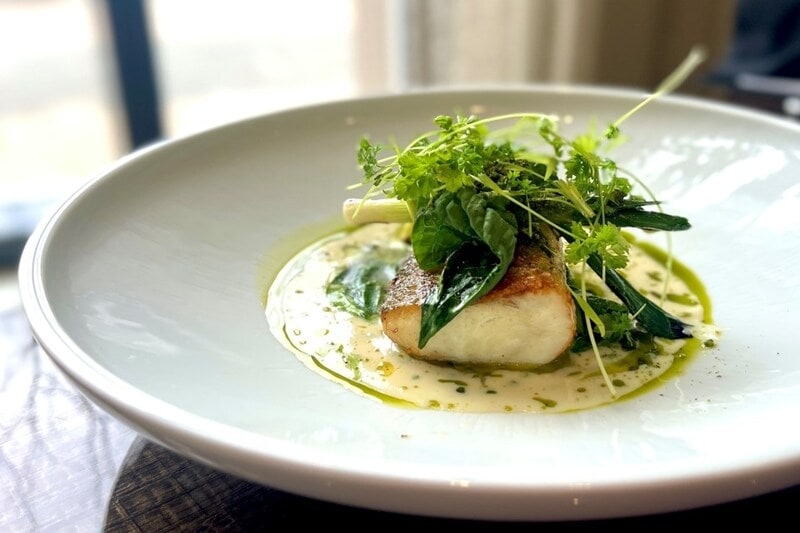
Trius Winery Restaurant, which is located within the Niagara-on-the-Lake wine region, has again been acknowledged by the MICHELIN Guide. This development maintains the destination's position as the sole establishment in its immediate area to receive this distinction.
Trius Winery Restaurant's culinary program is directed by Executive Chef Frank Dodd. The menu emphasizes a philosophy centered on seasonality and hyper-local sourcing, with many ingredients procured from Ontario producers. This practice is validated by official local food certifications. The menu structure is designed to highlight the regional character, notably through an extensive, multi-course tasting option that is complemented by wine selections. The MICHELIN recognition also serves to underscore the broader agricultural significance of the Niagara Peninsula, an area known for its favorable growing conditions influenced by the surrounding geography.
Image Credit: Trius Winery Restaurant
What's Driving This Trend
- Localism in Culinary Arts
- The emphasis on hyper-local sourcing and seasonality in restaurant menus is driving a movement towards authentic regional flavors and supporting local agricultural communities.
- Experiential Dining
- Esteemed culinary destinations are increasingly offering immersive, multi-course tasting menus to attract discerning diners seeking unique, refined dining experiences.
- Wine-centric Gastronomy
- Restaurants located in wine regions are integrating curated wine pairings and vineyard tours to enhance the diner experience and elevate their culinary offerings.
Who This Affects Most
- Culinary Tourism
- The integration of food and wine experiences in regional destinations is boosting culinary tourism by attracting food enthusiasts to explore local culture through gastronomy.
- Sustainable Agriculture
- Restaurants' focus on hyper-local sourcing encourages sustainable practices by forming partnerships with local farmers and reducing the carbon footprint of food supply chains.
- Hospitality and Leisure
- As fine dining establishments gain accolades like the MICHELIN rating, they are transforming into must-visit leisure destinations, driving innovation in tourism experiences centered around food and wine.