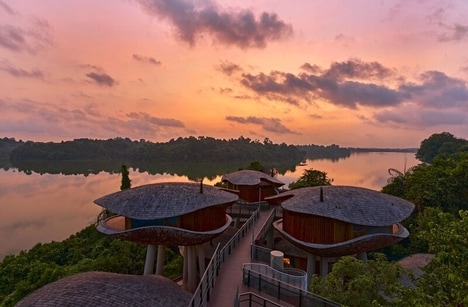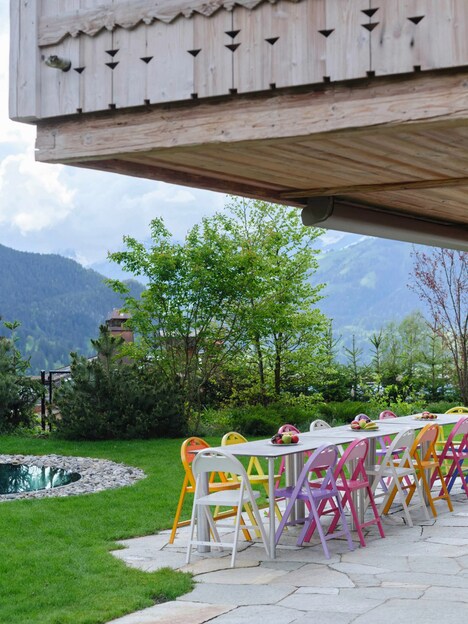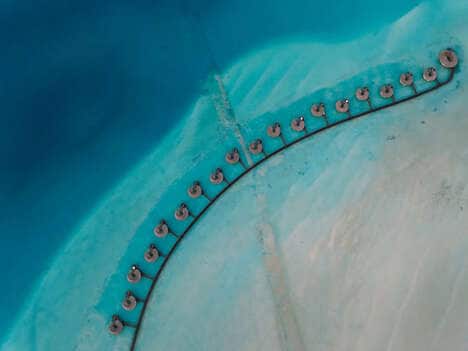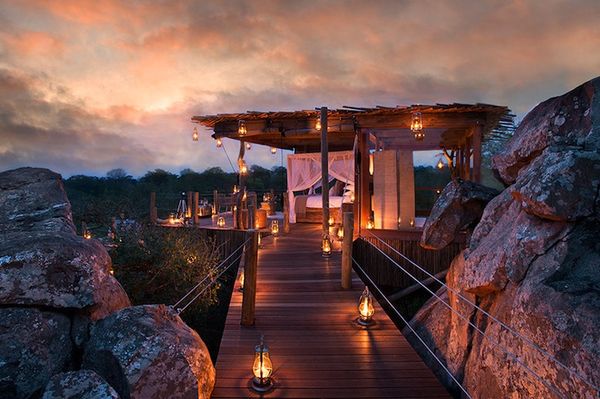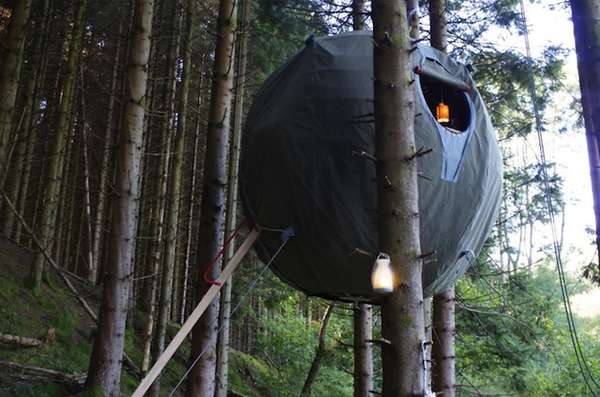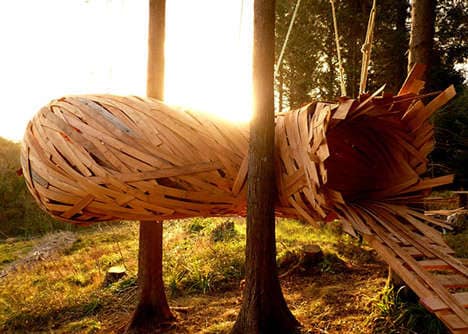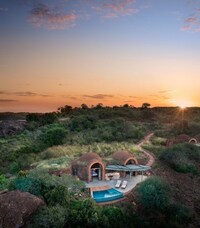
Returning to nature is proving to not only be ecologically smart, but business smart too. The luxury chain Club Med commissioned Edouard Francois to build a retreat in the Aldiana region in southern Senegal. Mixing a design flair with a simple construction method, the luxe surroundings will make visitors forget all the fuel burned to reach the sustainable resort. The resort consists of a series of suites that resemble giant peanuts.
Implications - They're raised on stilts and so provide a wonderful view for their visitors. These airy abodes would make ideal destinations for newlywed couples looking to honeymoon, or for families looking for fun.
What's Driving This Trend
- Elevated Accommodations
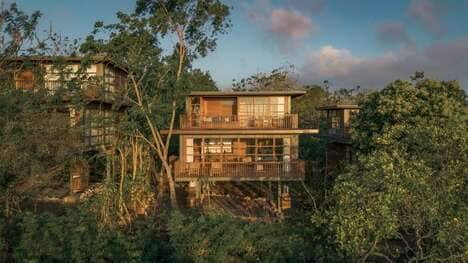
- The trend of tree house resorts offers unique and elevated accommodations for travelers seeking a closer connection to nature.
- Sustainable Luxury
- The rise of sustainable luxury resorts presents an opportunity for businesses to cater to eco-conscious travelers who want to enjoy luxury without compromising the environment.
- Design-driven Experiences
- The integration of design and architecture in resorts like the Club Med in Senegal opens up possibilities for creating immersive and visually stunning experiences for guests.
Who This Affects Most
- Hospitality
- The hospitality industry can capitalize on the tree house resort trend by incorporating elevated accommodations and sustainable luxury into their offerings.
- Travel and Tourism
- The travel and tourism industry can tap into the demand for unique and eco-friendly experiences by promoting tree house resorts as a sustainable alternative to traditional accommodations.
- Architecture and Design
- The architecture and design industry can explore disruptive innovation opportunities by incorporating innovative and sustainable construction methods into the creation of nature-inspired resorts.