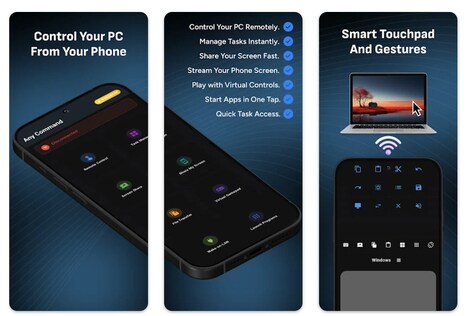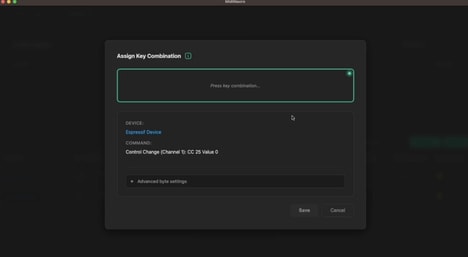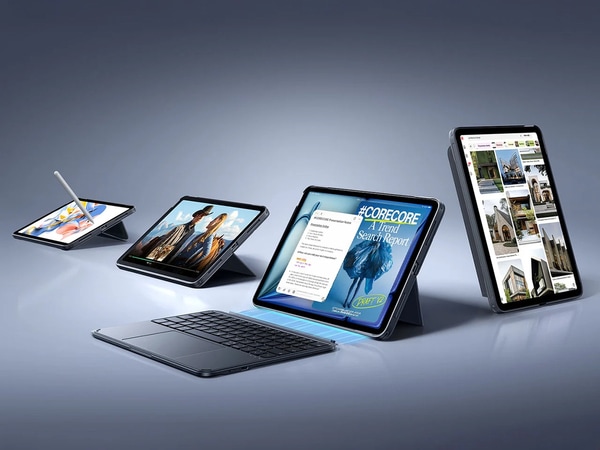
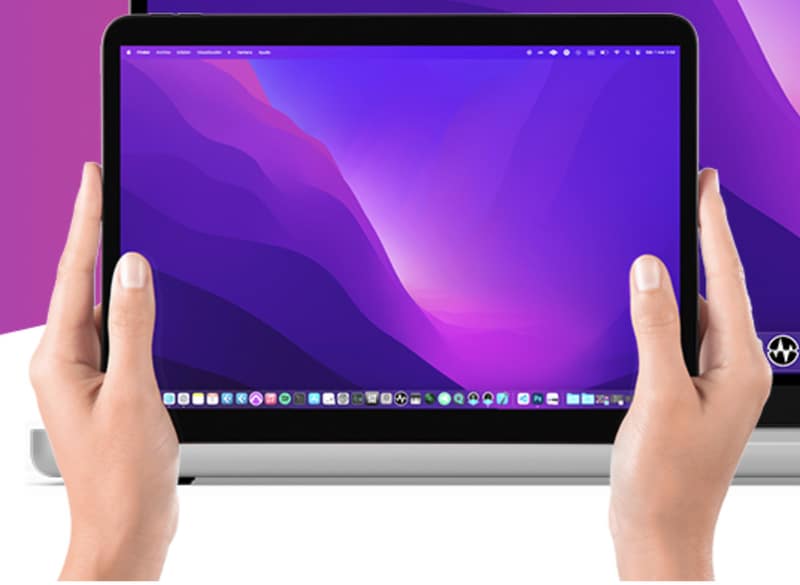
Total Remote Control is a cross-device productivity tool that enables users to operate their Mac directly from an iPad with precision input and extended screen functionality. The platform transforms the iPad into a wireless control surface, allowing it to function as both a responsive touch controller and a secondary display for macOS workflows.
Designed for professionals and creative users, the software focuses on improving flexibility in multi-device environments. It supports tasks such as navigating applications, managing workflows, and interacting with desktop tools through touch-based input, reducing reliance on traditional keyboard and mouse setups.
The system is one which is built to prioritize responsiveness and continuity, helping maintain performance consistency while enabling a more modular approach to desktop computing.
Image Credit: Total Remote Control
What's Driving This Trend
- Cross-device Workflow Integration
- Seamless control handoff between tablets and desktops indicates opportunities for platforms that unify app states and input across devices to reduce context switching.
- Touch-first Desktop Interaction
- A shift toward precision touch control on traditional desktop apps highlights potential for reimagined UI paradigms optimized for direct manipulation and gestural shortcuts.
- Modular Computing Environments
- Growing demand for flexible, componentized workstations points to new models where tablets serve as configurable extensions of primary machines for specialized tasks.
Who This Affects Most
- Creative Software
- Design and media applications are positioned to be restructured around hybrid input flows that blend touch, stylus, and mouse paradigms for improved artist ergonomics.
- Enterprise IT Management
- Corporate deployment strategies may evolve to accommodate device-agnostic productivity tools that maintain security and continuity across employee-owned tablets and company desktops.
- Peripheral Hardware Manufacturing
- Accessory makers could expand into smart docking and low-latency input solutions that enhance the tablet-as-workstation experience through dedicated hardware complements.