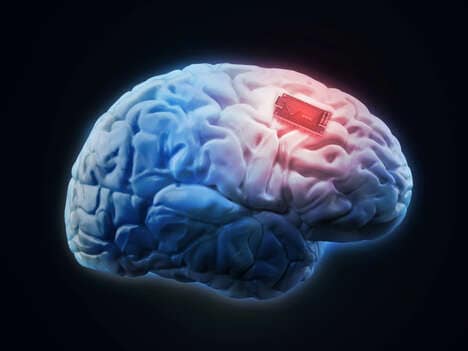
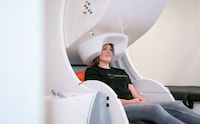
You might think it's creepy... or maybe kinda cool. In any case, a very invasive technology has been developed by scientists that allows them to scan a person's brain and accurately predict behaviors before the person acts.
This may sound Sci-Fi and futuristic, but this controversial research is advancing rapidly and creating much fodder for ethics debates.
Implications - The computer works by learning patterns of brain activity that corresponds to certain thoughts. Afterwards, it scans the brain for these signatures as a source of predicting thoughts. So far, this has been tested on people with a 70% accuracy, which isn't high, but isn't low either.
This is a pretty controversial development considering how there are people who are very cautious about revealing their private thoughts.
What Makes This Trend Stand Out
- Brain-scan Predictive Technology
- The development of invasive brain scanning technology that can accurately predict behaviors before they occur presents disruptive innovation opportunities in various fields.
- Ethical Debates on Neurotechnology
- The rapid advancement of brain scanning technology raises ethical debates and creates opportunities for disruptive innovation in the realm of ethics and privacy.
- Improved Brain Activity Pattern Recognition
- The research on brain activity pattern recognition for predicting thoughts opens up opportunities for disruptive innovation in neuroimaging and psychological analysis.
Sectors Adopting This
- Healthcare
- The development of brain scanning technology presents disruptive innovation opportunities in healthcare for diagnosing and treating mental health conditions.
- Technology
- The advancement of invasive brain scanning technology creates opportunities for disruptive innovation in fields like neuroengineering and brain-computer interfaces.
- Privacy and Ethics
- The ethical debates surrounding invasive brain scanning technology offer opportunities for disruptive innovation in industries focused on privacy protection and neuroethics.