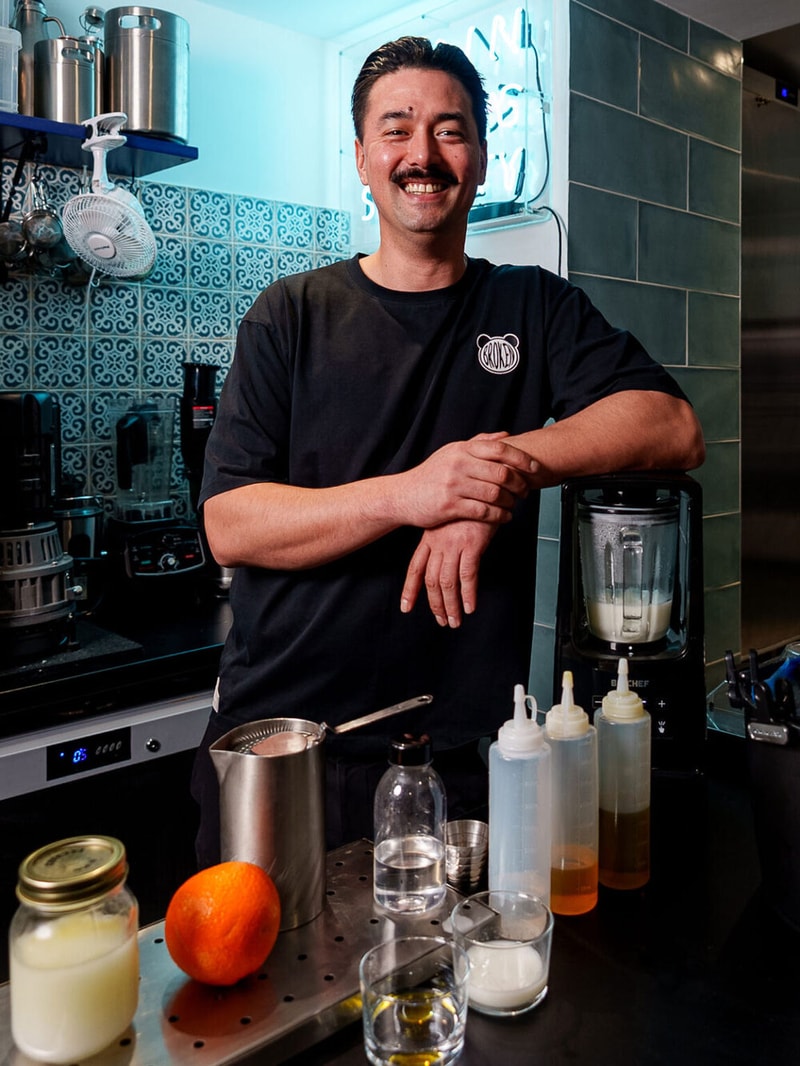
The emergence of texture-enhanced cocktail techniques signals a shift in how drinks are crafted and experienced. Panda & Sons founder Iain McPherson has developed “densing,” a method that uses vacuum blending to fully integrate oils and liquids into a stable, uniform mixture. Inspired by ice cream homogenization, the process allows bartenders to create richer textures and more consistent flavor profiles without the separation typically seen in oil-based cocktails. By prioritizing mouthfeel alongside clarity, the technique reintroduces texture as a key element in modern mixology.
This development has notable impacts on the hospitality industry. Bars can improve efficiency by reducing preparation time and maximizing ingredient yield, while also offering differentiated menu experiences that attract curious consumers. As the technique spreads through education and collaboration, it may influence industry standards, encouraging competitors to explore more advanced, science-driven methods to stay competitive.
Image Credit: Panda & Sons
Key Themes Behind This Trend
- Texture-first Mixology
- A reorientation toward mouthfeel creates opportunities for cocktails to be differentiated by tactile sensation as much as by flavor complexity.
- Vacuum-densing Integration
- The adoption of vacuum blending techniques opens pathways for more stable emulsions and consistent product yields across high-volume service environments.
- Mouthfeel-centric Menus
- An emphasis on texture alongside clarity allows beverage programs to present curated sensory narratives that extend beyond traditional taste descriptors.
Where This Applies
- Hospitality and Bars
- Bars and restaurants can leverage densification methods to reduce prep time and ingredient waste while offering distinct guest experiences.
- Food Science and Equipment Manufacturing
- Manufacturers and food scientists may develop tailored vacuum-blending hardware and formulations to reliably produce stable, oil-incorporated beverages.
- Beverage Education and Certification
- Training organizations and certification bodies are positioned to codify science-driven mixology techniques and set new professional standards for bartenders.