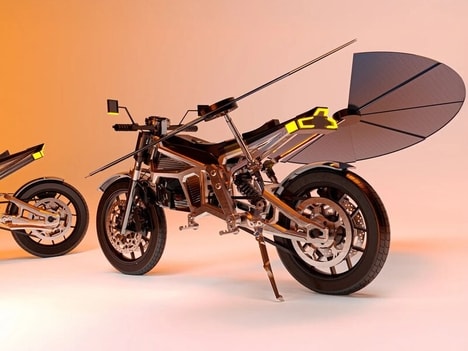
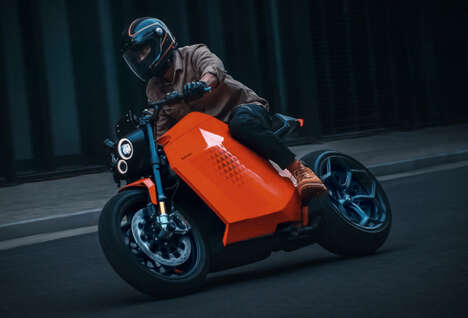
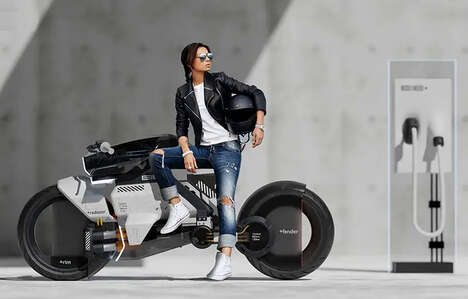
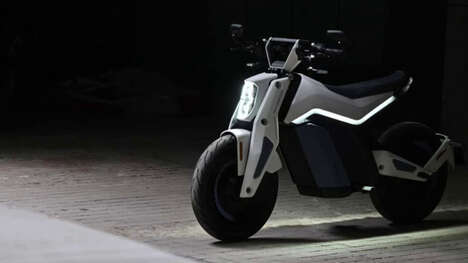
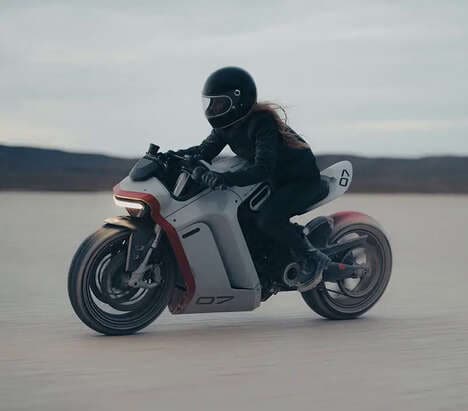
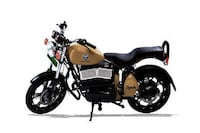
The Tesla E-max is a futuristic motorcycle concept designed to use its rider as its source of power. The bike is covered in piezoelectric material that converts the compression strength of a seated rider into energy. In addition to the piezoelectric panels, the bike also has a layer of Halite fiber that converts human heat into energy.
The Tesla E-max was designed by Madella Simone. The bike has a futuristic look with its spokeless wheels and innovative body design, which attaches the wheels to the bike's base using cables. The Tesla E-max is easily too futuristic for today's technology. Still, I wouldn't be surprised to see motorcycle companies implement some of the technology mentioned here into new designs. A bike that runs on kinetic energy would theoretically never have to be refueled. I think everyone likes the sound of that.
What Makes This Trend Stand Out
- Piezoelectric Technology in Transportation
- Incorporating piezoelectric material in vehicles to convert human energy into power presents disruptive innovation opportunities in the transportation industry.
- Thermoelectric Energy Harvesting
- Harnessing human body heat through innovative materials like Halite fiber opens doors for disruptive innovation in energy harvesting.
- Kinetic Energy-powered Vehicles
- Developing motorcycles that run on kinetic energy from compression strength can lead to transformative innovations in the automotive industry.
Sectors Adopting This
- Transportation
- The transportation industry can leverage piezoelectric technology and kinetic energy-powered vehicles to create sustainable and efficient modes of transportation.
- Energy Harvesting
- The energy harvesting industry can explore the potential of thermoelectric materials to convert waste heat into usable energy.
- Automotive
- The automotive industry can benefit from the integration of piezoelectric and thermoelectric technologies, revolutionizing vehicle power sources and promoting eco-friendly transportation.